How to Prevent Blossom End Rot on Tomatoes: What’s Really Causing It and How to Fix It
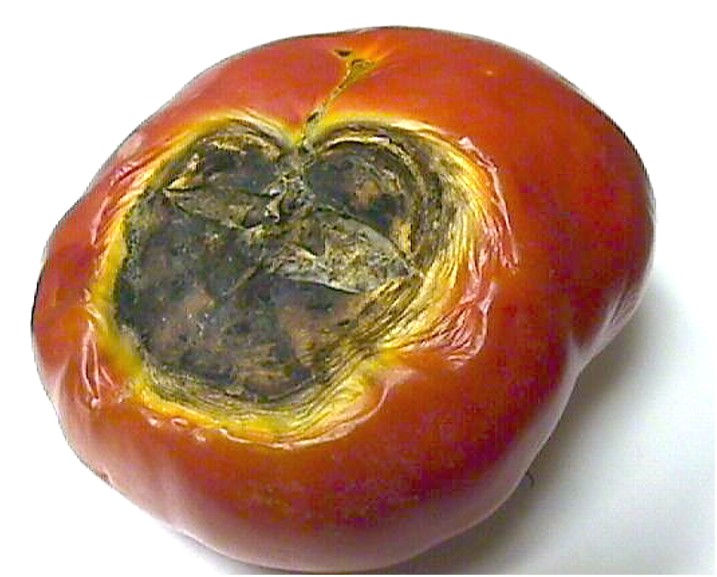
Few things hurt quite as much as blossom end rot. You’ve watched those green tomatoes swell through the heat of summer, and then right there at the bottom, you see it: a dark, sunken, leathery patch. You watch in horror as it spreads, softening until the tomato is no good for anything. What’s happening? Blossom end rot isn’t a disease. There’s no pathogen to blame, no insect causing it, and no fungus lurking in your soil. It’s a problem inside the plant itself, and it’s almost entirely preventable.
What Does Blossom End Rot Look Like?
The name is a pretty good description. The rot starts at the blossom end of the fruit (the bottom), and it usually starts as a small, wet-looking spot that darkens over time into a flattened, leathery brown or black patch.
Tomatoes are the most common victim, but you’ll also see it on other plants, like peppers and summer squash. It’s also more common on the first fruits of the season, when plants are growing fast, and nutrient demand is very high.
What’s the Real Cause?
The real cause of blossom end rot is a calcium deficiency. Specifically, the rapidly growing cells at the blossom end aren’t getting enough calcium, and when they don’t get what they need to form proper cell walls, they break down and die (rot).
Most gardeners hear “calcium deficiency” and reach for a bag of lime or a bottle of calcium spray, thinking their soil is low on calcium. Yes, soil calcium deficiency is possible (especially in very acidic or sandy soils), but it’s not usually the real problem. Most garden soils have plenty of calcium, especially if you’ve been adding compost. The problem has more to do with delivery.
Calcium is a “phloem-immobile” nutrient, which means that plants can only move it using water. As water flows from the roots up through the plant via the xylem, it carries calcium with it. However, the blossom end of a developing tomato is the most distant destination in that flow, and if the water supply gets inconsistent, the calcium doesn’t make it all the way there. So, the real issue here is watering.
Start with Consistent Water
The single most effective thing you can do to prevent blossom end rot is to water consistently. A tomato plant that gets a long, deep watering once a week and then dries out completely before the next rain is far more likely to develop blossom end rot than one that gets moderate, regular moisture.
Inconsistent watering creates boom-and-bust conditions inside the plant. During dry spells, the plant uses water for its leaves and stems, and calcium flow to the developing fruit slows or stops. Then, when heavy rain arrives, or you drench the soil, growth surges, but calcium still isn’t moving fast enough to reach the fruit’s base.
Drip irrigation is the solution for vegetable gardens because it delivers water slowly and directly to the root zone, keeping soil moisture levels steady without the feast-and-famine cycle of hand-watering or rainfall alone. If drip isn’t an option, water deeply two or three times a week rather than a little every day, and make sure you’re watering during hot, dry stretches.
Mulch Is Your Best Friend Here
This is where mulching earns its keep. A two to three-inch layer of straw, shredded leaves, or other organic mulch around the base of your tomato plants is a moisture buffer that slows down evaporation from the soil surface and blunts the swings between wet and dry.
Mulch also keeps your soil temperature more consistent, which matters because cold soil slows down calcium uptake. If you’re planting tomatoes early in the season into cold ground, the roots may not be absorbing calcium efficiently, even if it’s right there waiting for them.
Other Factors to Think About
Watering is the main issue, but a few other things can make blossom end rot more likely:
- Over-fertilizing with nitrogen can make things worse.
- Root damage disrupts calcium uptake regardless of what’s in the soil. Weeding too close to your tomato plants or planting into compacted soil where roots can’t spread limits the plant’s ability to absorb water and nutrients.
- High potassium levels compete with calcium uptake. If you’ve been adding large amounts of wood ash or potassium fertilizer, pull back while your tomatoes are actively setting and developing fruit.
- Planting into soil below about 55°F slows down metabolism and calcium uptake. Wait until your soil has really warmed before setting out transplants.
What about Eggshells and Calcium Sprays?
You’ve probably seen both recommendations float around gardening forums.
Eggshells are mostly calcium carbonate, and they do break down into usable calcium, but very slowly. Adding them to compost and working finished compost into your beds over time is a good soil-building practice. However, sprinkling crushed shells around plants mid-season isn’t going to move calcium into fruit that’s already stressed.
Foliar calcium sprays (calcium chloride dissolved in water and applied directly to developing fruit) are more immediately effective and can reduce blossom end rot in the short term, but they’re treating the symptom, not the cause.
Healthy Soil Changes Everything
Healthy soil holds moisture more evenly and buffers against the stress that causes blossom end rot. Every shovel of compost you work in, and every layer of mulch you lay down, makes problems like this less likely.
Blossom end rot, nutrient deficiencies, disease pressure, stunted growth, etc., are all caused by soil that isn’t quite right. Get the soil right, and you solve a dozen problems at once.
Our Dirt Rich book helps you master soil building and also explores living in the world more intentionally. Our Dirt Rich Online Course takes that and turns it into a hands-on curriculum you can work through at your own pace, whether you’re brand new to the garden or trying to figure out why your third year of tomatoes keeps ending in disappointment.
In the meantime, water evenly, mulch well, go easy on the synthetic fertilizers, and pull those first sad tomatoes off the vine without guilt. Blossom end rot on the early fruit doesn’t mean the season is lost.