How to Prepare for a Natural Disaster: A Checklist for Heat, Water, Food, and More
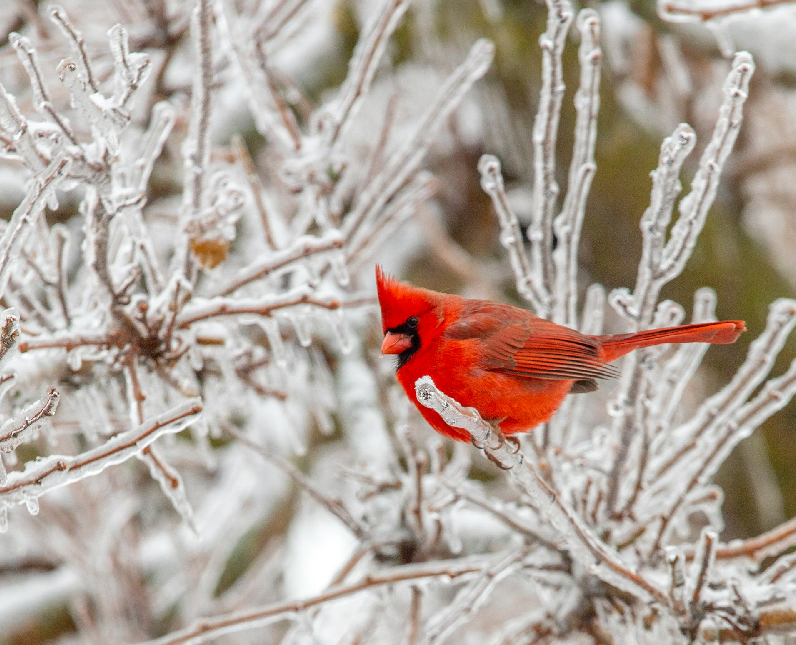
Recently, Middle Tennessee was hit by a severe ice storm that crippled the electric infrastructure across multiple counties. We were truly blessed here at Stoney Creek Farm because the storm largely spared us. However, Nashville and the surrounding area were hit hard, with hundreds of thousands of residents losing power for weeks. Tragically, the community saw multiple deaths and hospitalizations from hypothermia and weather-related accidents. It was a sobering reminder that natural disasters don’t give you much warning and that being unprepared can have serious consequences. Whether it’s an ice storm, a tornado, a flood, or a prolonged power outage, the time to get ready is before anything happens, not during.
So, I put together this preparation checklist to help you think through the four essentials: heat, water, food, and other important supplies. I hope that this helps you survive the next time severe weather comes through.
Stay Warm
In a winter emergency, heat is your first priority. When the electric grid goes down, your furnace, electric space heaters, and electric blankets all go with it. What are your options?
- Wood-burning fireplace/stove: If you have a fireplace or wood stove, make sure it’s clean, maintained, and that you have a good supply of dry, seasoned firewood stored before winter arrives. A cord of wood stored in a covered area can be a lifesaver. If you don’t have a fireplace, this might be the year to consider one.
- Propane or kerosene heaters: Portable propane heaters designed for indoor use (look for models rated for indoor use with proper ventilation) can heat a room surprisingly well during a power outage. Keep an extra tank or two on hand. The same goes for kerosene heaters (while they’re useful, make sure you’re running them with a window cracked for ventilation and a carbon monoxide detector nearby).
- Layer up and insulate: If your heating fails, your body is your best heat source. Wool blankets, cold-rated sleeping bags, thermal underlayers, and warm hats all make a real difference. Close off rooms you aren’t using to conserve heat in a smaller space, and hang heavy blankets over drafty windows and doors.
- Identify a warm room: In an extended outage, pick one interior room to use as your household’s “warm room.” Interior rooms with fewer windows hold heat better. Set up your sleeping station there and keep everyone together.
- Generator: A whole-house generator or a portable generator with enough juice to run a space heater can be a major investment, but if you have young children, elderly relatives, or medical equipment in the home, it’s worth every penny. If you have one, make sure to run it outdoors only to prevent carbon monoxide poisoning.
Water
Most people underestimate how fast access to water can be problematic during a disaster. Pipes freeze, municipal systems lose pressure, and well pumps lose power. Plan for at least one gallon of water per person per day, for at least two weeks.
- Store water now: Large food-grade water storage containers (five to seven gallons) are cheap and easy to store in a basement, garage, or closet. You can also use clean, rinsed-out two-liter soda bottles filled from the tap. Rotate your stored water every six months to keep it fresh.
- Water filtration: A good water filter (like a gravity-fed Berkey system) lets you purify water from questionable sources if your stored supply runs low. Water purification tablets are also worth keeping in your emergency kit.
- Know where to find water. Your water heater’s tank holds 30 to 50 gallons of water that is safe to drain and use in an emergency. Swimming pools and rainwater collection can supplement your supply in a longer-term situation, but both need complete filtering before drinking.
- Don’t forget the basics: Water isn’t just for drinking. Sanitation, cooking, and basic hygiene all require water.
Food
This is where the homesteading lifestyle pays off in ways that go well beyond the dinner table. A well-stocked pantry of shelf-stable and home-preserved food is one of the best forms of emergency preparedness.
- Canned and preserved goods: Home-canned vegetables, fruits, soups, broths, and meats can feed your family for weeks without refrigeration or electricity. At Stoney Creek Farm, our pantry shelves are lined with mason jars filled with tomatoes, green beans, corn, jams, pickles, and more.
If you haven’t started canning your own food yet, I encourage you to learn. I’ve written a full canning equipment guide that walks through everything you need, and if you want to learn the process from start to finish, our Canning 101 Online Course is a great place to start.
- Commercial shelf-stable staples: Alongside your home-preserved food, keep a good supply of dried beans, rice, oats, pasta, flour, and canned goods from the store. Rotate them regularly so nothing expires.
- No-cook options: Not every emergency will let you cook. Keep peanut butter, crackers, nuts, dried fruit, granola bars, and other no-prep foods in your kit.
- A way to cook without electricity: A propane camp stove with extra fuel canisters, a wood-burning camp stove, or a Dutch oven you can use over an open fire or on a propane burner all give you the ability to heat food and boil water when the kitchen isn’t available. A manual can opener is obvious but easy to forget — don’t overlook it.
Other Supplies for Your Emergency Kit
Heat, water, and food are the big three, but a good emergency kit covers more ground than that.
- Light: Flashlights and extra batteries, headlamps, and battery-powered or hand-crank lanterns. Keep them in a place where everyone in the household can find them in the dark. Candles are fine, but use them carefully. A fire during a power outage is a nightmare on top of a nightmare.
- Power: A portable battery bank (power station) can keep phones charged for days. In a real emergency, your phone is your lifeline for weather updates, emergency alerts, and communication.
- First aid: A well-stocked first aid kit is non-negotiable. Include bandages, antiseptics, pain relievers, and any prescription medications your family members take (keep at least a week’s supply on hand).
- Documents and cash: Keep copies of important documents like insurance cards, IDs, medical records, and emergency contacts in a waterproof bag. Keep a small amount of cash on hand, too.
- Tools and supplies: A multi-tool or basic toolkit, duct tape, plastic sheeting, work gloves, a whistle, and a battery-powered or crank-powered weather radio round out your kit.
Start Before You Need It
The Nashville ice storm was a hard reminder that disasters happen fast, and that the most vulnerable among us often bear the worst of it. You can’t control the weather, but you can control whether your family is ready for it.
Start small if you need to. Add a few extra cans of food to your grocery cart each week, fill a water container and put it in the basement, look into a propane heater, or take a canning class. Every step you take now is one less thing to worry about when the next storm rolls in.