Fall Foods That Will Keep You Healthy
Something magical happens in our kitchens and at the farmers’ markets when the days grow shorter and the air takes on a crisp autumn bite. Bright summer produce gives way to earthy root vegetables, hearty greens, and piles of apples and squash…all healthy Fall foods!
It feels natural to reach for these foods when temperatures drop, but it’s more than seasonal nostalgia. Fall foods carry nutrients your body needs to stay energized and healthy through long nights and chilly days.
Nature has a built-in nutrition plan. Pumpkins, apples, sweet potatoes, and kale are loaded with vitamins, minerals, and antioxidants to combat colds and strengthen your immune system. They also keep your digestion on track and stabilize energy, especially when darker days sap your motivation. Eating seasonally makes sense for your health!
Why Fall Foods Boost Your Health
Seasonal foods can feel restorative. They’re fresher and often more nutritionally dense because they don’t spend weeks on shipping containers. There’s intuitive harmony at play, and your body craves ground autumnal foods that provide warmth, fiber, and slow-burning energy.
Seasonal veggies, like root vegetables and squashes, provide complex carbohydrates that gradually release energy instead of spiking blood sugar. Cruciferous veggies, like cabbage and kale, bring vitamin C and compounds to fortify immune health, which is vital during flu season. Fruits, like apples and pears, provide soluble fiber, supporting gut health, which is tightly woven into overall immune strength.
Eating fall foods is a way of syncing your health with the rhythm of the season.
Root Vegetables for Energy and Digestion
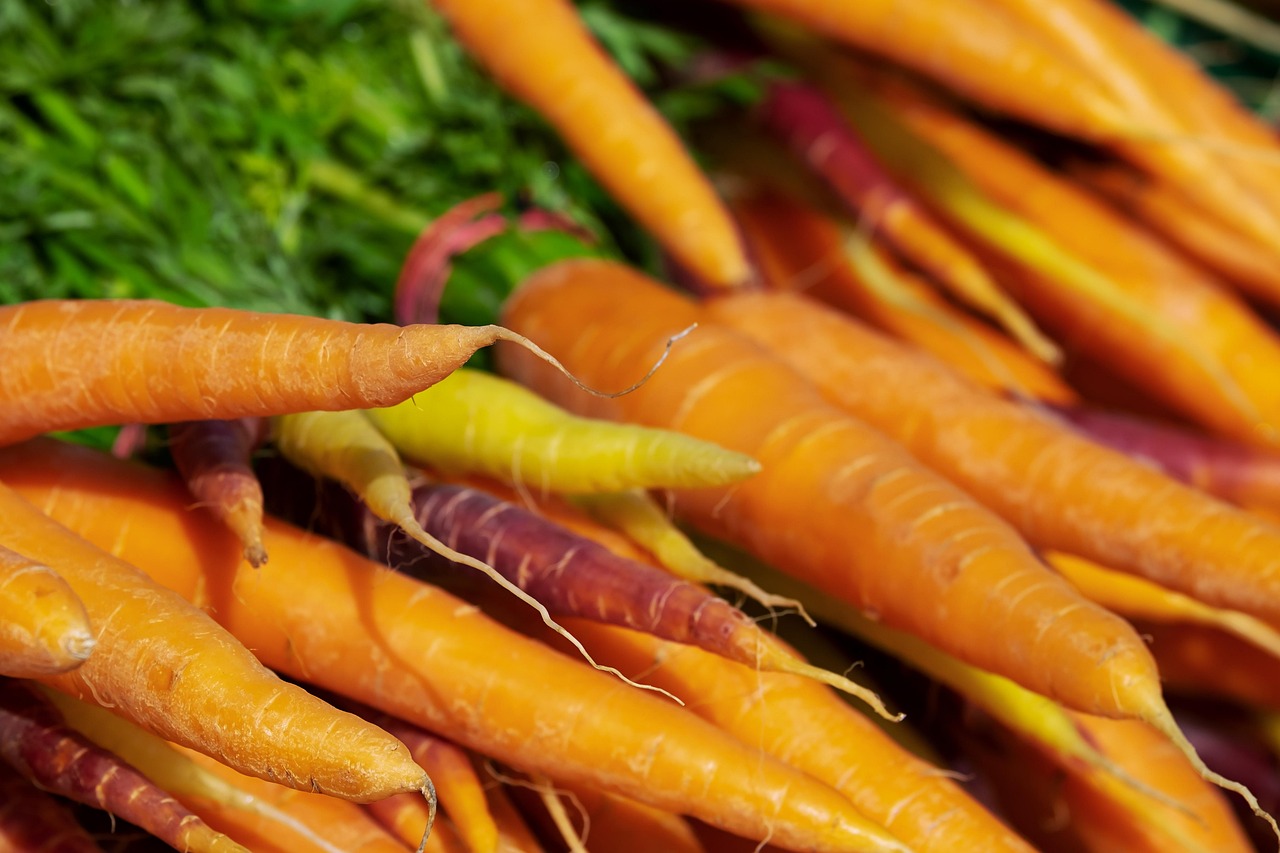
- Carrots, beets, turnips, and sweet potatoes give you the kind of fiber that keeps your stomach happy while ensuring your digestion runs smoothly.
- Sweet potatoes and carrots are loaded with beta carotene, which turns into vitamin A to help immune cells and eyes.
- Beets bring boosts of natural nitrates to improve circulation, ensuring a healthier, stronger heart and extra endurance.
- Parsnips and turnips add creamy, hearty textures to soups and stews, giving you comfort food that won’t slow you down.
Cruciferous Greens to Strengthen Immunity
- Kale, collard greens, Brussels sprouts, and cabbage are filled with vitamin C, perfect for when cold season rolls around.
- Brussels sprouts’ flavor changes once roasted, becoming sweeter and nuttier.
- Kale has iron, calcium, and fiber that keep your body strong and energized.
- Cabbage works as a prebiotic, feeding good gut bacteria and helping balance digestion.
Pumpkins & Squash: Packed with Nutrients
- Pumpkins are full of beta carotene, supporting strong eyesight.
- Winter squashes, like butternut and acorn, give you vitamin C, potassium, and fiber.
- Roasted squash cubes, stuffed acorn halves, or a simple puree could turn simple soups into heartier, more satisfying meals.
- A scoop of pumpkin puree stirred into oatmeal, soup, or smoothies is a great way to sneak in nutrition.
Apples, Pears, and Other Fall Fruits for Wellness
- Apples and pears deliver soluble fiber, keeping digestion smooth and cholesterol low.
- These fruits are full of antioxidants for a stronger immune system to fend off illnesses.
- Grapes and cranberries show up in autumn too, and their polyphenols are excellent for heart health.
- Whether eating apples straight from orchard trees, baking pears into desserts, or pairing fruit slices with cheese, fall fruits are versatile and healthy.
Simple Ways to Add Fall Foods to Your Meals
The best part about fall foods is their adaptability. Short on time? Toss cubed sweet potatoes or Brussels sprouts on a baking sheet with olive oil and roast until tender. Add apples or pears to green salads for a sweet, nutrient-dense bite. Blend pumpkin puree into smoothies, or add it to oatmeal with cinnamon and chopped nuts.
Planning your meals makes a significant difference. Grab a mix of root veggies from your garden, or buy a bounty of squash from the farmers’ market, roast them all at once, and keep them in the fridge. Add your seasonal vegetables to grain bowls, soups, or wraps throughout the week.
Feeling more autumnal? Consider cooking with warming spices, like cinnamon, nutmeg, clove, and ginger. These pair well with fall produce, adding anti-inflammatory benefits. Simple fall foods can maximize meal flavor and improve health simultaneously.
Local Farms and Fresh Produce
One of the greatest ways to enjoy fall foods is getting them as fresh as possible. A weekend stroll through a farmers’ market or a quick visit to a local farm means your produce was picked a couple of hours before. That freshness translates into brighter, bolder flavors and more nutrients in comparison to foods that sit in storage or on a truck for weeks.
If you’re a gardener, fall is a rewarding season. Pulling carrots straight from the soil, clipping kale leaves, or hauling in baskets of butternut squash makes seasonal eating feel personal. You know how your fall foods were grown, and you can taste the freshness in the ripeness. There’s satisfaction coming from feeding your family with what you’ve grown in your backyard. Even a small patch of greens or a handful of root veggies gives you a steady harvest through winter.
The Bottom Line
Fall is more than pumpkin spice lattes and apple cider doughnuts. It’s the season where nature offers a lineup of foods that prepare your body for the colder months ahead. Root vegetables supply lasting energy. Cruciferous greens keep your immune system sharp. Pumpkins and squash deliver vitamins that strengthen your defenses. Apples, pears, and other fruits bring sweetness with substance. Eating them regularly makes it easier to stay energized, healthy, and resilient as the days get shorter.
Prepare your palate for fall by choosing garden-fresh seasonal vegetables to boost nutrients and add delicious flavors to your everyday dishes. Seasonal eating tastes and feels better. Your body and mind benefit from the nourishment, and your kitchen is filled with the comforting aromas of roasted vegetables, spiced fruit, and hearty soups. Autumn may be the easiest season to eat with intention.
Take your seasonal eating a step further by visiting local farms in your area and scouting any Amish produce for bulk amounts you can preserve for the winter. You’ll learn hands-on ways to enjoy healthier, more sustainable living.
What goes best with Fall Vegetables….sourdough bread! Check out our local bread classes in Middle Tennessee or our online sourdough class if you are not in the area.