What to Plant in July for Harvest Before Frost
If your garden is a blank canvas by July, you may think you’ve missed the growing season entirely, but that’s not the case. You can still figure out what to plant in the month of July for a great harvest before frost. July is a secret weapon month for gardeners who know how to work the calendar. With summer in full swing and warm soil accelerating germination, you can sneak in a final round of fast-growing crops and enjoy a rewarding harvest before the first frost ever shows.
Whether spring crops fizzled, life got in the way, or you’re a late bloomer when it comes to planting, this is your redemption arc. July is your chance to outsmart the frost, enjoy a second (or even first) harvest, and set yourself up for a bounty of homegrown foods that are perfect for preservation.
Grab your gardening gloves and your seed packets. Your summer garden revival begins now.
Why July Isn’t Too Late to Plant
Many people think gardening ends when the Fourth of July fireworks do, but in reality, July is primetime for different planting strategies. By now, soil temperatures are consistently warm, meaning seeds germinate quickly. Longer daylight hours give your crops plenty of sunshine to mature faster, even those that seem like they’d need a head start earlier in the season.
The trick is choosing crops with shorter maturity days, usually 90 days or fewer, and understanding your region’s first average frost date. In most zones, that gives you until mid-October or early November. That’s more than enough time to grow a fast, flavorful crop to enjoy a second wave of fresh vegetables.
Additionally, with many bugs beginning to dwindle later in the season, and fewer fungal issues than when spring began, your mid-summer garden might be your most successful.
10 Fast-Growing Vegetables to Plant in July
- Bush beans. These sprout fast and mature in 45 to 60 days. Sow them now and you’ll be harvesting crisp, juicy pods by late August.
- Zucchini. A classic overachiever. Plant zucchini in July and expect more squash than your neighbors can politely accept in roundabout 50 days.
- Cucumber. Pickling varieties are perfect if you want to eat fresh food and preserve. They mature in 50 to 60 days and love the heat.
- Radishes. The quick-change artists of the garden they can mature in 25 days or less. Plant a new row every 10 days for a continuous supply.
- Turnips. Mild in summer, spicy in autumn. Most turnips are ready in 60 days, and both the root and the greens are edible.
- Summer squash. Yellow squash thrives in the summer heat, maturing in 55 days.
- Peas. Look for heat-tolerant, fast-growing bush varieties. Snow peas are perfect for quick summer growth.
- Kale. Heat-tolerant varieties like Lacinato will produce quickly and taste even better after a light frost.
- Beets are multitaskers land give you both root and leaf harvests in 60 to 90 days.
- Scallions. Green onions don’t mind summer and mature in 60 days, adding fresh flavor to everything from soups to salads.
Greens That Thrive in Summer Heat
You may associate leafy greens with spring and autumn, but certain varieties handle the summer sun like champs. Swiss chard, Malabar spinach, and mustard greens are heat-tolerant and fast-growing. Malabar spinach is a vining green that loves hot weather, thriving in July’s steamy afternoons. It’s ideal for salads, sauteing, or tossing into stir-fries.
To avoid bolting, plant greens where they’ll get morning sunshine and afternoon shade. Use mulch to keep the soil cool and moist, and water the greens consistently.
Root Vegetables That Beat the Clock
- Carrots. Choose shorter, fast-maturing like Parisian or Little Finger that can mature in 60 days or less.
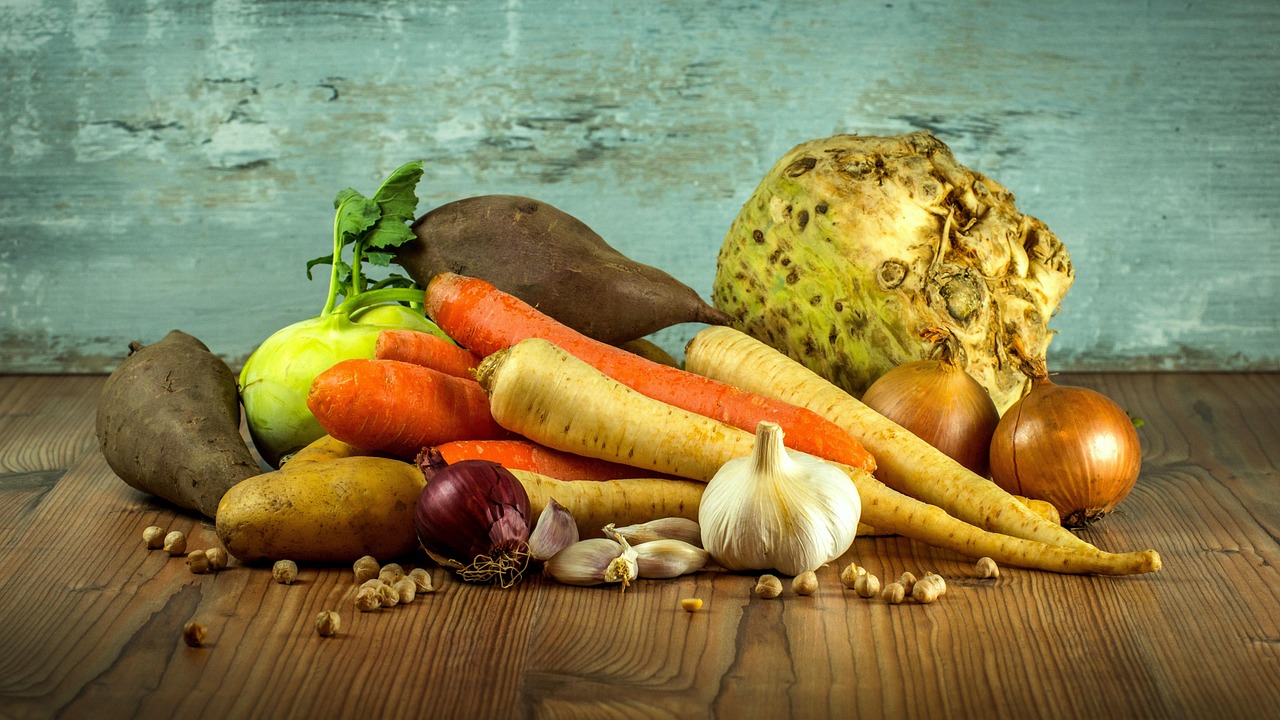
- Kohlrabi. This alien-looking bulb matures in 45 to 60 days, offering a crisp, subtly sweet crunch. Both the bulb and greens are edible, making it a two-for-one plant.
- Rutabagas. While a bit slower (around 90 days), they’re perfect for late July planting in cooler zones. Great for mashing or roasting with herbs.
- Salsify. A quirky heirloom with an oyster-like flavor. It takes time (100 to 120 days), but it can survive past frost if planted early in July and mulched.
- Celeriac (celery root). Not a looker, but it’s a soup and stew superstar. Plant now in cooler zones for a harvest before the cold sets in.
Tip: To get the best results, amend soil with compost, avoid heavy clay, and thin seedlings generously. Crowded roots lead to warped, stunted veggies.
Herbs to Plant Now and Preserve Later
July is ideal for fast-growing, heat-loving herbs you can preserve for fall.
Try lemongrass for teas and stir-fries, Thai basil for infused oils, or summer savory to flavor green beans. Epazote adds authenticity to Latin dishes, while lovage elevates broths. Harvest in the morning, dry in bundles, or freeze in olive oil cubes to capture fresh flavor for winter meals.
Companion Planting Tips for July Gardeners
- Sunflowers offer shade and support for vining groups; calendula attracts pollinators and repels soil pests.
- Tarragon deters aphids near nightshades; chamomile boosts plant health and draws beneficial insects.
- Mint (in pots) repels cabbage moths and flea beetles, perfect for brassicas like kale or broccoli.
- Borage enhances strawberry growth and attracts bees for better pollination.
- Radishes deter squash borers and beetles when interplanted with zucchini or pumpkins.
- Nasturtiums lure aphids away from beans and improve soil health with their dense ground cover.
- Oregano’s strong scent confuses cucumber beetles and supports overall plant resilience.
Prepare for a Preserving Bounty
As your late-summer harvest rolls in, preserve the excess. Clean your jars, test your canner, and stock up on vinegar, pickling salt, and spices. Even small harvests can become flavorful pickles, jams, and sauces. Preserving adds shelf life and reduces waste.
Learn to Can Your Garden’s Harvest
Join Stoney Creek Farm’s Canning 101 on July 19 to master safe, simple techniques for preserving your produce. Learn the difference between water bath and pressure canning, what tools you’ll need, and how to turn garden goods into long-lasting pantry staples.
Register now and carry your garden’s flavor into the fall!