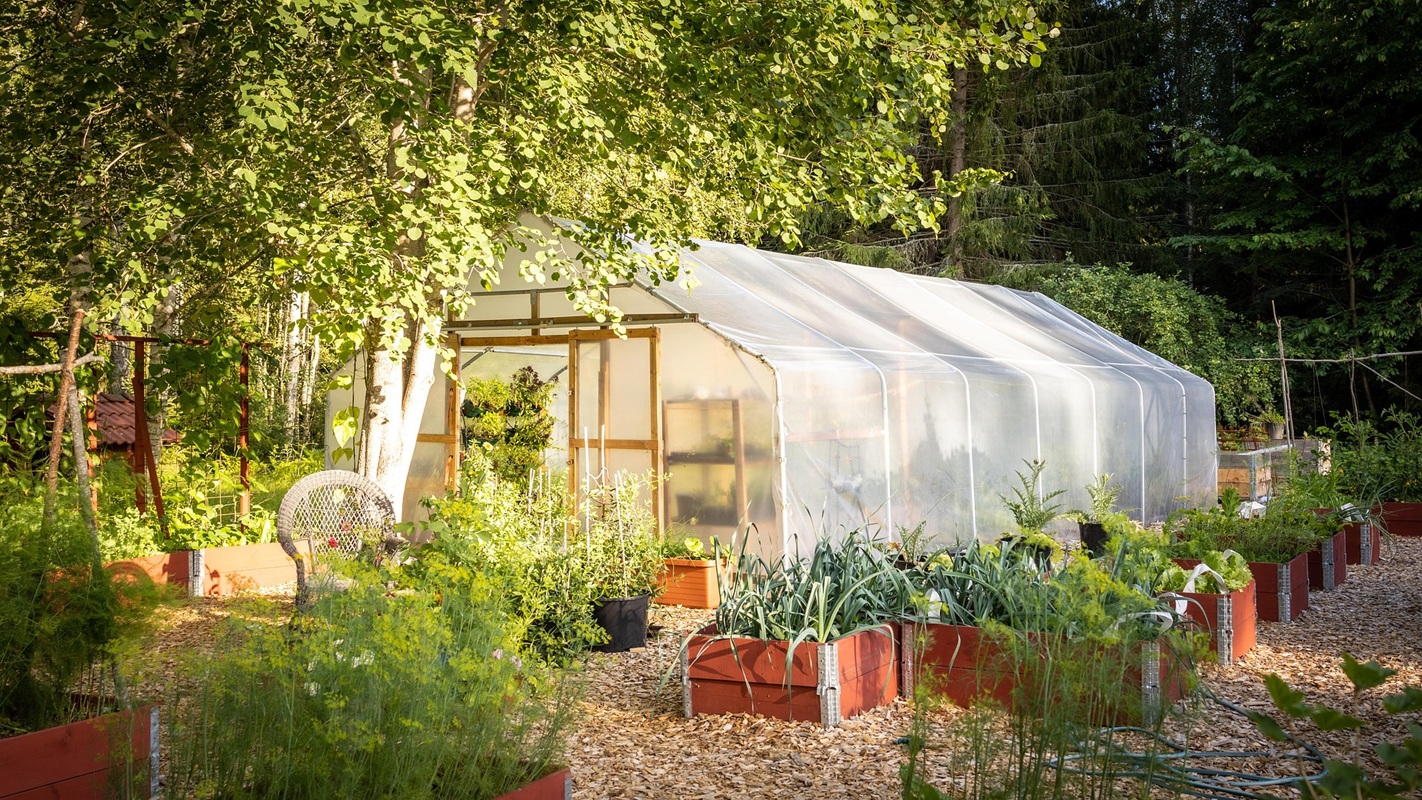
Important Facts to Know Before Starting a Vegetable Garden
You’re standing in the garden section of your local nursery, surrounded by seed packets and budding transplants, and you think: how hard can it be? You put seeds in the ground, you water them, and you wait. Right? Sometimes it really is that simple, but more often, the difference between a vegetable garden that produces abundantly and one that limps along comes down to decisions you make before you ever break ground. The good news is that they’re not particularly complicated. Here’s what every beginner should understand before planting that first seed.
Start Smaller Than You Think You Should
It’s tempting to go big right out of the gate. You’ve got visions of raised beds overflowing with tomatoes, a whole row of corn, maybe some pumpkins over by the fence. That enthusiasm is great. The scale, not so much.
A vegetable garden takes consistent attention. You’ll need to water, weed, watch for pests, and respond to unexpected weather events, sometimes all in the same week. If your first garden is too large, it gets overwhelming fast, and overwhelming gardens get neglected.
A 5×5 or 10×10 foot plot is a great starting point for most beginners. You can always expand once you’ve gotten a season under your belt and have a sense of how much time you can actually commit.
Location Is Everything
The single most important factor in your garden’s success is where you put it. Most vegetables need full sun, which means at least six hours of direct sunlight per day. More is better. If you’re not sure how much sun a spot gets, watch it throughout the day for a few days before you commit. Pay attention to where trees, fences, and buildings cast shade, especially during the late morning and afternoon hours when the light is strongest.
You also need to think about drainage. Plants need water, but too much is bad for them. Water should move through the soil and not pool after rain. Avoid low spots prone to frost settling in late spring or early fall, and stay away from steep slopes where erosion can wash your soil away. You’ll also want easy access to a water source, because hauling a watering can across a long yard gets old quickly.
Get Your Soil Tested Before You Do Anything Else
If you’re planting directly in the ground, get your soil tested. Most university cooperative extension offices offer them for under $30, and some for even less. The test will tell you your soil’s pH, the levels of key nutrients like phosphorus and potassium, and how much organic matter it contains.
Why does this matter? Because adding nutrients your soil doesn’t need can actually harm your plants, and growing in soil that’s too acidic or too alkaline will limit what your vegetables can absorb, no matter how well you tend them. The sweet spot for most vegetables is a pH somewhere between 6.0 and 7.2.
If you’re building a raised bed and bringing in soil, you can skip this step.
Healthy Soil Is the Foundation of Everything
Your vegetables are only going to be as good as the soil they’re growing in. Healthy, nutrient-rich soil gives you strong plants that resist pests, diseases, and drought better. Poor soil means weak plants that struggle to survive.
Compost is your best friend here. Working a two to three-inch layer of compost into your garden bed before planting improves nearly every type of soil. It helps sandy soil hold moisture and nutrients, and it loosens clay soil so roots can breathe and drain properly. If you can start building your soil the season before you plant, even better.
Grow What You Actually Want to Eat
It sounds obvious, but it’s worth saying: don’t plant vegetables you don’t actually cook with. Start with a handful of vegetables your family genuinely enjoys.
Good beginner choices include tomatoes, lettuce, green beans, cucumbers, squash, and herbs. And don’t feel limited to what you find at the grocery store. Heirloom varieties of tomatoes, carrots, peppers, and cucumbers come in colors and flavor profiles you’ll never find on a supermarket shelf.
Know the Difference Between Seeds and Seedlings
Not every vegetable starts the same way, and knowing which ones to direct seed versus which to transplant as seedlings will save you a lot of frustration.
Some crops grow quickly and don’t like having their roots disturbed, so they do best when you sow them directly into the garden. Cucumbers, squash, beans, peas, carrots, and most herbs fall into this category. Others, like tomatoes, peppers, and eggplants, need a longer growing season and are usually started indoors weeks before the last frost date, then transplanted outside once the weather cooperates.
If you’re not ready to start seeds indoors, that’s completely fine. Buying transplants is a perfectly good approach, especially for your first season.
Whatever you choose to grow, it’s worth understanding germination temperatures for each crop. Seeds won’t sprout if the soil is too cold, and planting before conditions are right means waiting longer, or losing seeds entirely.
Have a Watering Plan Before You Plant
Rainfall isn’t a reliable option for irrigation. Most vegetable gardens need consistent moisture, especially during the heat of summer, and you’ll need to know how you’ll deliver it.
For small gardens or container setups, hand watering with a hose or watering can works fine as long as you’re doing it consistently. For larger plots, drip irrigation or soaker hoses are worth the investment.
Skip watering during the hottest part of the day. Morning is the best time because the water soaks in before the heat hits.
Spacing and Planning Matter More Than You’d Think
One of the most common beginner mistakes is crowding plants. It’s easy to underestimate how large things will get.
Before you plant, sketch out your space. Draw it to scale if you can, and look up how much room each plant will need at full size. Good spacing is important for air circulation, which reduces disease, and makes sure that each plant has enough sunlight and root space.
Vining crops like cucumbers can be trained up trellises if space is tight. Bush varieties of many plants are also available and take up less room than their sprawling counterparts.
Walk Your Garden Every Day
Want to give your garden the best chance possible? Pay attention to it.
Wilting leaves, yellowing foliage, chewed holes, sticky residue, or lots of unfamiliar insects are all signs that something needs attention. Look under leaves, not just at the tops. Check stems near the soil. Pay attention to what’s new.
When you do spot trouble, resist the urge to reach for a spray bottle. Many insects in your garden are beneficial, and killing them off indiscriminately can do more harm than good.
Think About Pest Management Before Problems Arrive
Every garden will have pests at some point. One of the most effective natural strategies is companion planting, which is the practice of grouping plants that benefit each other.
Some companions deter specific pests, others attract beneficial insects that prey on garden pests, and others improve pollination. Marigolds repel certain insects, while flowers like zinnias and sweet alyssum attract pollinators and beneficial bugs that do a lot of the pest control work for you.
If you want to go deeper, our Gardening Without Pesticides e-book covers everything from healthy soil and composting to companion planting.
Container Gardening Is a Legitimate Option
If your yard doesn’t get enough sun, or your soil is in rough shape and you’d rather not deal with amending it, container gardening is a perfectly valid way to grow food. Pots can go anywhere that gets consistent light: a deck, a patio, a driveway, or even a sunny balcony.
Containers also warm up faster in spring, which means you can often get a head start on the season. The main thing to watch with containers is moisture. They dry out faster than in-ground beds, especially in summer heat.
The Best Time to Start Is Now
Starting a vegetable garden isn’t complicated, but it does require preparation. Choose the right location, understand your soil, plan for water, give your plants room to grow, and spend a little time each day paying attention. Do those things, and you’re already ahead of most first-time gardeners.
There’s no such thing as a perfect first garden; there’s just the first garden, with all its lessons and surprises and the absolute satisfaction of eating something you grew yourself.