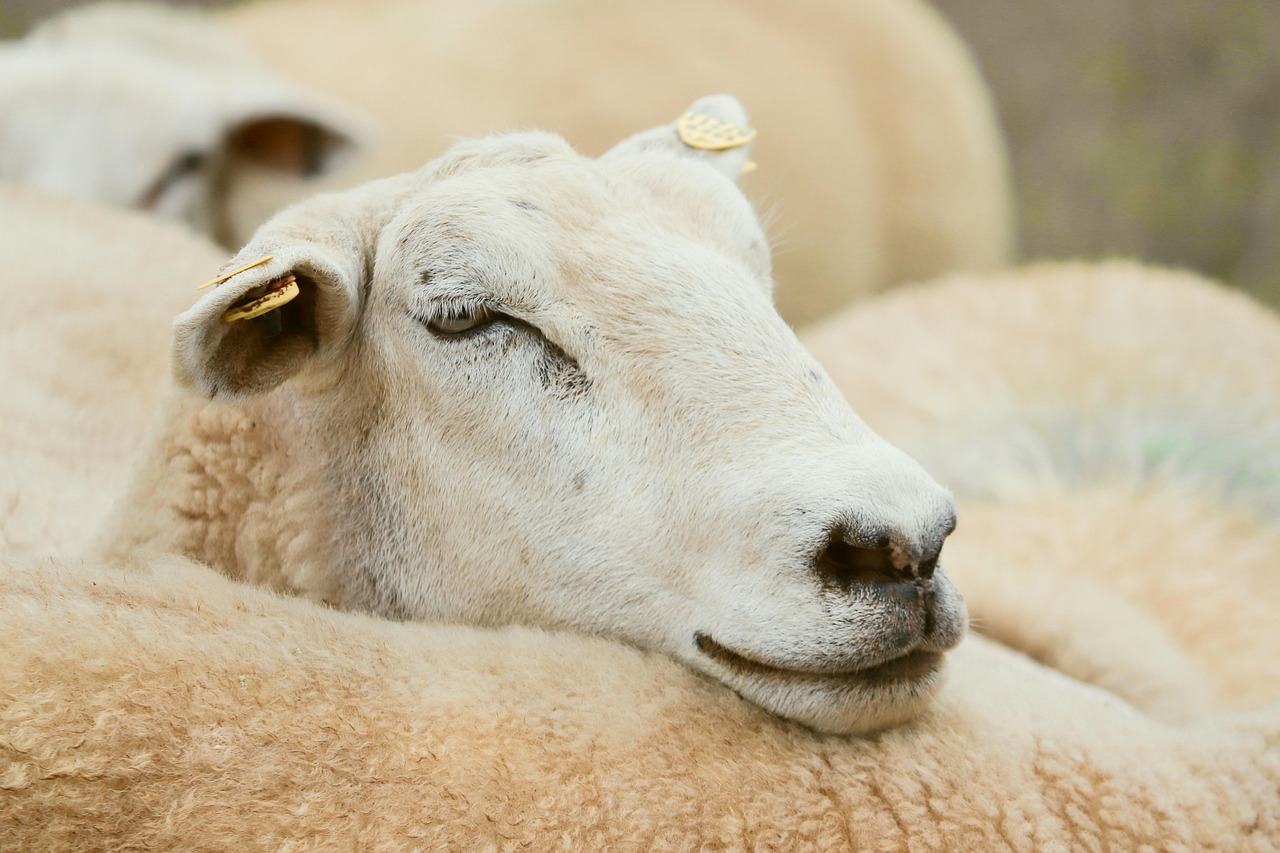
Katahdin Sheep: Low Maintenance and Great Meat
If you’re looking for a sheep breed that doesn’t demand endless work and still produces excellent meat, Katahdin sheep are worth your attention. They’re exactly the kind of “easy-keeping” animals that make sense when you want good returns without getting buried in chores.
Here’s why they stand out, what you’ll want to know, and how they can work on your farm.
Why the Katahdin Sheep Are a Smart Choice for You
- No shearing needed.
One of the biggest perks is that Katahdins are a “hair” breed rather than a wool breed. You’re free to focus on raising meat animals, rather than fleece logistics.
- Built for living outdoors and adapting.
These sheep were developed in the U.S. but carry genetics that give them good adaptability. With Tennessee’s heat and humidity and our cold winters, they’re good for outdoor grazing and less ideal pastures.
- Good mothers, good lambs, good returns.
Ewes in this breed have decent lambing numbers (often twins) and strong maternal instincts. That means fewer dramas in lambing season and more predictable returns.
- Quality meat with a lean profile.
If you’re after lamb meat for your market or direct-to-consumer sales, the Katahdin delivers. Their carcasses tend to be leaner, and the meat flavor is a little milder and more accessible than what you’ll find with heavier wool-breed lambs.
- Lower labor and lower fuss.
You’ll spend less time on some of the more intensive sheep chores with this breed (though you’ll never drop to zero). That makes them a good fit for your sustainable farm vision.
A Brief History (So You Know Why They Work)
It helps to know how this breed was developed so you understand its strengths (and its quirks). The Katahdin was developed at Piel Farm in Maine. In the late 1950s and early 1960s, Michael Piel imported hair sheep (from the Caribbean) and crossed them with meat-type British breeds (think Suffolk and Southdown) to get a sheep that would shed its coat, produce meat well, and survive outdoors without heavy management.
Over time, breeders selected for hair (not wool), mothering ability, lambing ease, adaptability, and carcass quality. The result is a breed that’s well-suited for meat production in more natural or forage-based systems.
What “Low Maintenance” Means On Your Farm
When you hear “low maintenance,” you might imagine a sheep that practically takes care of itself. That’s not totally fair; they’ll still need you, but compared to many traditional wool breeds, the workload and “what can go wrong” list is smaller. Here’s how that looks for you.
- Skip the shearing.
No wool to shear, no fleece to market or store. That alone simplifies your setup and saves time and cost. You’re not worrying about fleece condition, shearer scheduling, etc.
- Better parasite resilience & better fit for pasture systems.
Because of the hair coat and their genetics, Katahdins tend to handle internal parasites better than many wool breeds. On a pasture-rotated, managed system, you’ll appreciate fewer issues.
- Manageable lambing.
With good genetics, you’ll have ewes that lamb easily (lots of twins), fewer surprises, and less individual intervention.
- Flexible forage use.
These sheep perform well on forage, including less‐ideal pastures. That means if you’re using rotational grazing, overlooked paddocks, or marginal acres, Katahdins will still pull weight.
- Meat focus equals simpler infrastructure.
Since you’re not chasing fleeces, your infrastructure will be a lot simpler: good fencing, good pasture rotation, basic animal health practices, a clean lambing area, and a path to market for meat.
What You Should Pay Attention To
“Low maintenance” doesn’t mean “no maintenance.” Here are the key things you’ll still want to keep on top of to ensure success at your farm.
- Genetics and breeding.
Choose good foundation animals. Look for ewes and rams with solid performance records: good growth rates, lamb survivability, strong mothering, and appropriate carcass traits. If you’re going to build the flock, you want animals that will reproduce those traits.
- Pasture and grazing management.
While they’ll tolerate less‐than-ideal pasture, you’ll still get better performance if you give them good pasture, rotate it, avoid overgrazing, manage for diversity (grasses, legumes), and monitor soil fertility.
- Lambing preparation.
Even though many Katahdins will lamb outdoors with minimal fuss, you’ll still need to give them a clean, dry area, monitor lambs for proper colostrum intake, and check for late lambing or smaller ewes. Keep records of lamb weights, growth, and mortality so you can track what’s working and improve it each season.
- Parasite control & health basics.
Stay on top of fecal testing, pasture rotation, body‐condition scoring, and nutrition, especially pre-lambing and during lactation. If you’re in an area like we are here in Tennessee, where warm/humid conditions can make parasites problematic, your rotation and pasture management matter.
- Marketing your meat.
Think through how you’re going to take advantage of the basic fact that these are meat sheep. Will you sell whole lambs, half-lambs, retail cuts, or go direct to consumer? Because the meat is leaner and milder, you’ll want to highlight that in your marketing. Think “grass-finished,” “pasture-raised,” “mild flavor,” etc.
Why the Katahdin Is a Great Fit
Let’s tie it back to you. The Katahdin aligns with your goals in these ways:
- You believe in efficient production and getting the most out of your land. The Katahdin gives you meat without the wool overhead.
- You’re managing pasture and thinking about sustainable systems. These sheep match that vision.
- This breed adapts, sheds its coat, and tolerates challenges, which means it’s a good choice for multiple environments and farm types.
- You’re interested in quality food and local markets. Katahdin meat has attributes that help: leaner, mild flavor, and good direct‐to‐consumer appeal.
- You want to keep your labor realistic. Instead of feeling like you’re constantly behind on sheep work, you want animals that don’t demand constant firefighting.
Is the Katahdin the Right Sheep Breed for You?
If you’re ready to step into or expand your sheep enterprise, you’ll find that the Katahdin is one of the smarter choices you can make. It’s not a zero-work breed, but it is built for the kind of farm you’re building.
Over time, you’ll appreciate the fewer surprises at lambing, the manageable workloads, the good meat returns, and you’ll free up more bandwidth to focus on land, forage, animals, soil, and your broader farm vision.