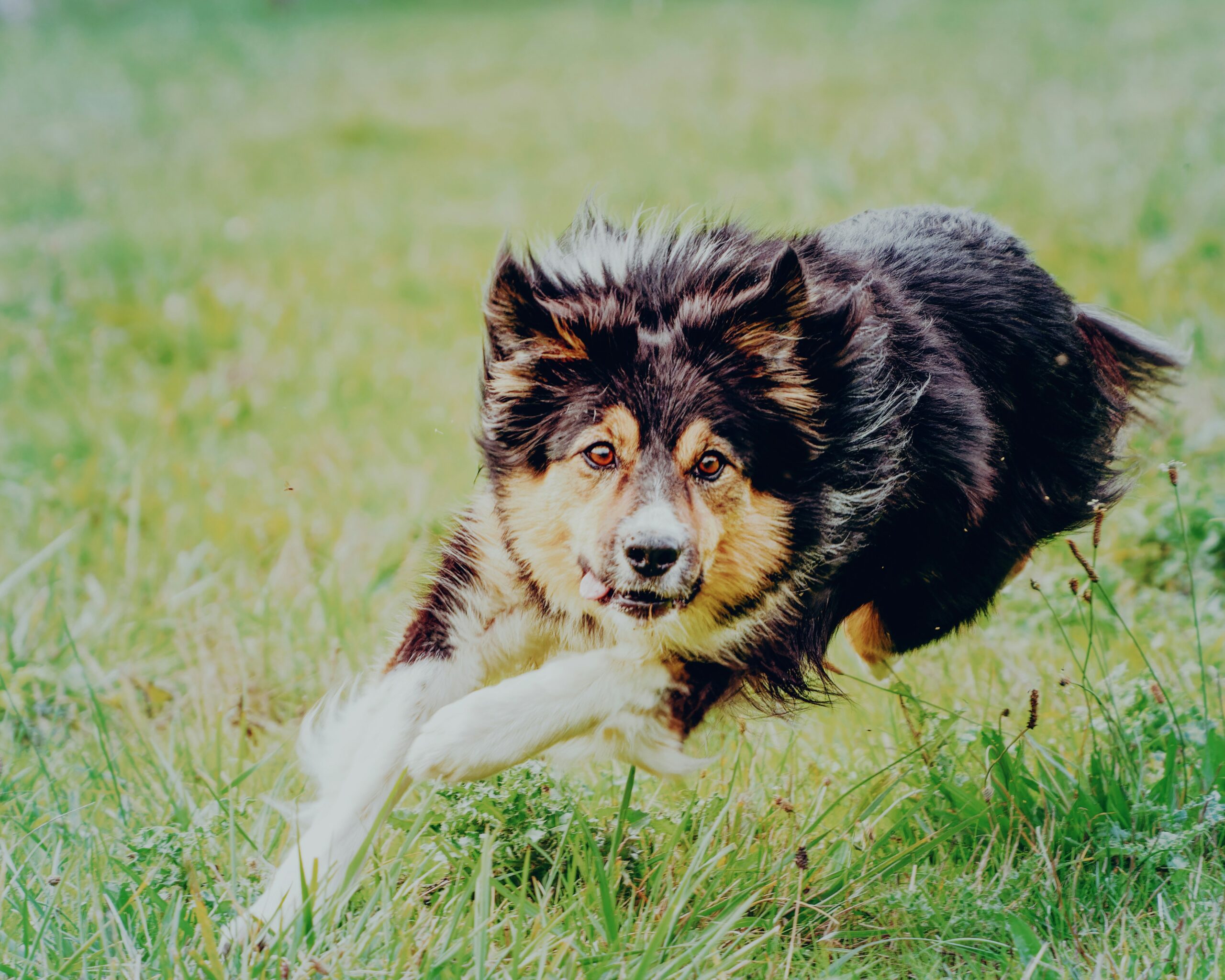
How to Train a Herd Dog for Your Homestead
There’s something magical about watching a good herd dog at work. The way it moves, the way the livestock responds, and the silent communication between dog and handler can look almost like a dance. On a homestead, those skills are an essential part of keeping animals safe, organized, and stress-free while saving you time and effort.
A trained herd dog is more than a helper. It’s a partner that learns your routines, understands your animals, and becomes an irreplaceable part of daily life. Training takes time, patience, and a good understanding of both the breed and the job at hand.
Selecting the Best Herding Breed for Your Needs
Not every dog is born to herd. Choosing the right breed can make the training process smoother and more rewarding.
- Border Collies are famous for their intelligence and precision.
- Australian Shepherds combine stamina and adaptability.
- Australian Cattle Dogs are strong contenders for hardy workers for rough terrain.
- Pembroke Welsh Corgis will surprise you with their agility and determination for managing smaller livestock or tighter spaces.
Think about your homestead’s specific needs. Large open fields require a dog with speed and wide outruns, while a small property may benefit from a quick, nimble breed that works closely. Temperament is just as important as skill. You want a dog that matches your pace, energy level, and ability to commit to regular training.
Understanding Herding Instincts and Temperament
Herding breeds are born with instincts that have been shaped over hundreds of years. Some use an intense stare to control livestock. Others nip at the heels to get animals moving. Some circle wide to keep a group together. Learning how your dog naturally works will help you train in a way that builds on its strengths.
The herding instinct is powerful, and if not directed toward the right job, herding breeds can be destructive. A bored herding dog may try to herd children, cats, cars, or anything that moves. Your goal is not to shut down the instinct but to guide it. This means giving your dog proper training to structure their herding instincts into meaningful work and opportunities to use their brain and body constructively.
If you herding dog develops some great skills, you may even want to get involved in the American Herding Breed Association. This organization supports all breeds of herding dogs in the management of livestock; preserves and promotes education, responsible breeding practices, and responsible livestock management.
Laying the Groundwork with Basic Obedience
Before a dog can be trusted around livestock, it needs to follow your instructions without hesitation. Commands like sit, stay, come, and leave it are the foundation for herding work. A reliable recall is especially important because, if your dog doesn’t come when called, it’s impossible to expect them to manage animals in the fields.
- Start in a quiet setting where your dog can focus.
- Keep lessons short and upbeat, using rewards that your dog loves, like food, toys, or enthusiastic praise.
- Once your dog is consistent, practice in more distracting environments, like around loud farming equipment.
The aim is to have obedience so strong that your dog responds immediately, consistently, even in the middle of a busy pasture.
Introducing Your Dog to Livestock Safely
The first meeting between the dog and the livestock will set the tone for their future work together. Choose calm, well-handled animals for the first training sessions. Keep the dog on a long lead, so you can guide its approach and prevent chasing, nipping, or, in extreme cases, outright aggressive behaviors.
- Watch closely for signs of stress or overexcitement.
- If your dog is lunging or barking, take a break and work on calm behavior before trying again.
- If the livestock seem nervous, give them time to settle down.
Early sessions should focus on letting the dog get used to being near the animals without creating chaos. As comfort grows, you can increase interactions, establishing a bond between the dog and the animals.
Essential Commands and Herding Techniques
Once your dog is relaxed around livestock, you can begin teaching specific herding commands. Some of the most common are:
- Come by. This means to move clockwise around the herd.
- Away to me. This means to move counterclockwise.
- Lie down. This means to stop moving and stay in place.
- Walk up. This means to approach the herd slowly and steadily.
- That’ll do. This means to stop working and return home.
Teach these commands in a controlled setting before applying them in real work. Short, frequent practice sessions are more effective than a long, exhausting one.
Keeping Your Herd Dog Skilled and Healthy
A herd dog needs regular, challenging work to sharpen and strengthen their skills. If too much time passes without practice, they can lose the edge that makes them so effective. Even on days when there’s no herding to be done, you can keep them engaged with short training drills, specific commands, or simple obstacle courses. Anything that challenges their body and mind will keep them ready for their herding duties.
Health is as essential as skill. Working dogs burn tremendous energy, so they need high-protein, quality food, clean water, and routine checkups. After a long day outside, it is a good habit to check their paws for cuts, stones, ticks, or burrs. Keep an eye out for signs of fatigue, like painful or slow movements, and let them recoup when they need it.
Herding dogs are happiest when they have a purpose. If you don’t give them something to do, they’ll find their ways to keep busy, and you may not like the results. Keep them occupied with daily chores, like letting them carry a small backpack or simply allowing them to walk with you. A dog that feels useful and helpful is more focused, more content, and a better partner in the field.
The Bottom Line
Training a herd dog is about more than teaching commands and crossing your fingers for follow-through. You’re creating a working relationship built on trust, and over time, you’ll learn to read one another’s movements, anticipate what happens next, and guide livestock together. You’ll have a trained dog, but also a teammate who understands your land, animals, and way of working. That connection is worth every muddy boot, practice session, and ounce of effort.
For more information on other sustainable lifestyle tips, contact Stoney Creek Farm in Tennessee.