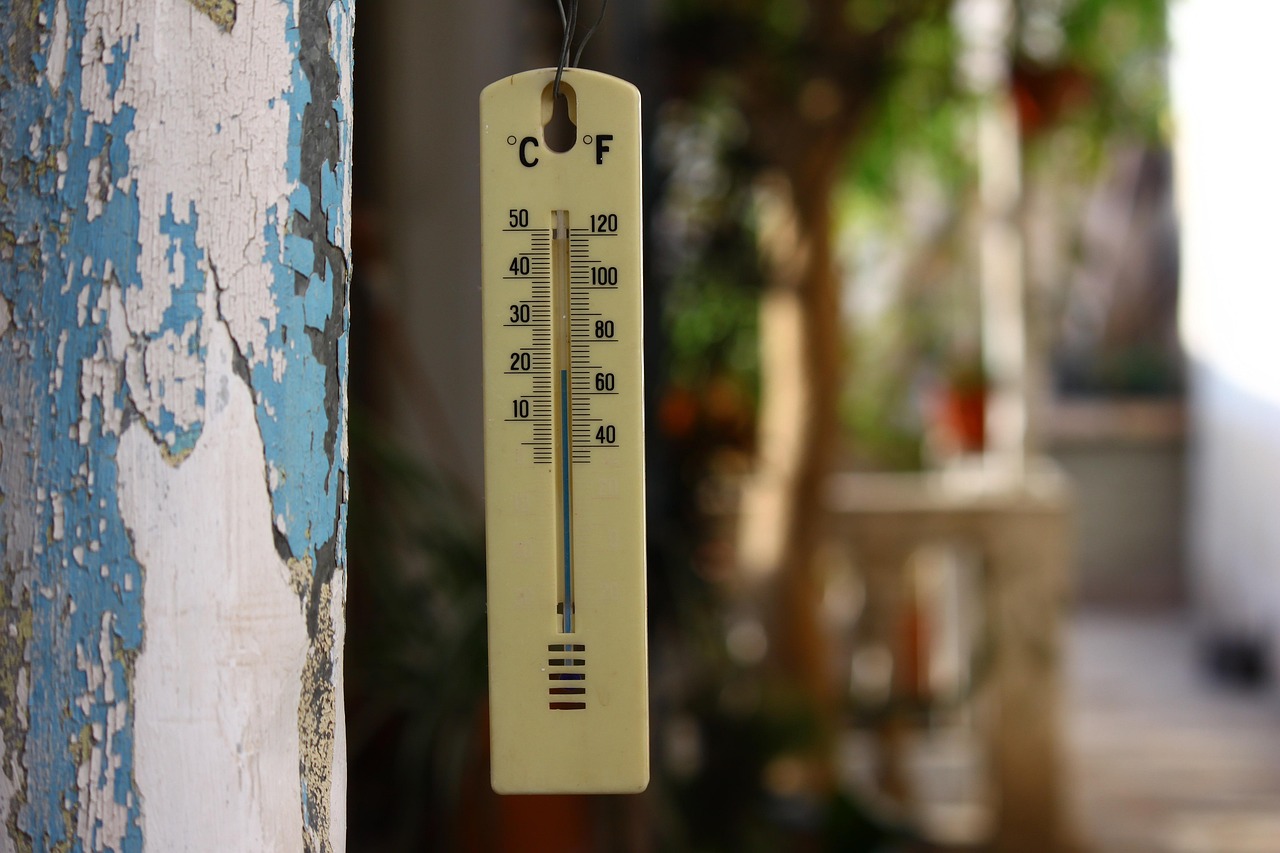
What Temperatures Do Garden Vegetables Need to Thrive?
Ever wonder why your tomatoes just refuse to turn from green to red? Frustrated with your lettuce bolting straight to seed before you even get a chance to harvest? While there are lots of potential culprits, the most likely one is temperature. This article will help you determine the best temperatures (both for soil and air) to plant your garden vegetables.
Vegetables aren’t one-size-fits-all when it comes to heat, cold, or even humidity. They’ve got preferences, and learning to work with those instead of against them makes a bigger difference than almost anything else you can do in the garden.
The good news is that it’s not complicated. Garden vegetables fall into two camps: cool-season crops and warm-season crops. Get familiar with which category your plants belong to, match your planting schedule to your local climate, and you’ll be harvesting more food with a lot less frustration.
The Two Temperature Zones Every Gardener Needs to Know
Most gardeners have two growing seasons: cooler weather and warmer weather. However, you can’t plant whatever you want during those times. You need to know which crops thrive in which season.
Cool-Season Crops (55 to 75°F)
Cool-season vegetables are your early spring and fall workhorses. They actually prefer temperatures that most people would consider sweater weather, and many of them can handle a light frost. If you’ve got a stretch of days in that 55 to 75°F range, these crops are going to be happy.
Common cool-season vegetables include:
- Lettuce and salad greens
- Spinach
- Kale and collards
- Broccoli and cauliflower
- Cabbage
- Peas
- Carrots and beets
- Radishes and turnips
- Swiss chard
- Arugula
Once the heat sets in, these crops start to fail. They’ll bolt or wilt, and you know their time’s up.
Warm-Season Crops (65 to 85°F)
Warm-season vegetables need consistent warm temperatures to thrive. These are the vegetables you’re growing when everybody’s asking about your garden. They’re not cold-tolerant at all, and most will stall out or sustain damage if temperatures dip below 50°F.
Warm-season vegetables include:
- Tomatoes
- Peppers
- Cucumbers
- Zucchini and summer squash
- Corn
- Green beans
- Eggplant
- Melons
- Sweet potatoes
- Basil (technically an herb, but it loves the heat)
Don’t rush these crops into the ground before your last frost date has passed and your soil has warmed. Tomatoes and peppers planted in cold soil may survive, but they won’t thrive.
Why Soil Temperature Matters Just as Much as Air Temperature
Your plants care a lot more about what the soil is doing than what the thermometer on your porch says (although that matters, too). Air temperatures can swing dramatically between morning and afternoon, but soil temperature determines whether your seeds will germinate and your roots will grow. A warm sunny afternoon doesn’t mean much if the ground is still sitting at 45°F from a cold snap.
Here are some general soil temperature guidelines to keep in mind:
- Cool-season seeds like lettuce, spinach, and peas can germinate in soil as cool as 40 to 45°F, although germination is slower. They do best between 55 and 65°F.
- Warm-season seeds like tomatoes, peppers, and cucumbers need soil temperatures of at least 60°F, and they germinate much faster (and more reliably) when the soil is closer to 70°F.
- Root vegetables like carrots and beets need consistent soil moisture along with the right temperature.
Consistent Moisture
The other half of the vegetable-growing equation is moisture. Vegetables need consistent moisture without being wet. Uneven watering is one of the most common causes of problems gardeners blame on other things.
The target for most vegetables is consistently moist soil (not soggy and not bone dry; hit that middle ground where the soil is damp an inch or two down). That means deeper, more frequent watering when it’s hot and less when it’s cooler. Mulching around your plants helps a lot here, too.
How to Know When to Plant in Your Area
All of this temperature information is only useful if you can line it up with your actual local growing calendar. Here in Tennessee and across the South, we have the advantage of a fairly long growing season, but the specifics still vary quite a bit depending on where you are.
The Old Farmer’s Almanac has a free online planting calendar that takes the guesswork out of the timing side of things. Just enter your zip code, and it gives you personalized planting dates based on your local frost dates (both spring and fall), along with a plant-by-plant schedule.
Managing Temperature in Your Garden
Once you know your target temperatures, you can do a few things to work with your environment instead of fighting it:
- Use row covers for cool-season crops. A lightweight floating row cover can keep plants warm and protect them from unexpected late frosts.
- Use black plastic mulch or dark-colored mulch to warm the soil. Mulch will also help retain water in the soil (plastic breaks down over time, so consider going with something natural).
- Water in the morning so that leaves dry during the day (reduces disease risk) and roots have moisture available during the hottest part of the day.
- Give your cool-season crops shade in warmer months to help reduce the temperature.
- Pay attention to microclimates. South-facing spots tend to be warmer. North-facing or shaded spots stay cooler.
Want to Put This Into Practice? Our Garden Rentals Have You Covered
Understanding what your vegetables need temperature-wise is one thing, but having a good plot of ground to grow them in is another. If you don’t have the space at home, or if you’re just getting started and want to experiment without committing to a full garden buildout, our garden rentals at Stoney Creek Farm are a great option.
It’s Time to Get Growing!
Growing vegetables successfully has a lot more to do with timing and temperature than most people realize. Thankfully, there’s not a lot of fancy equipment that you’ll need beyond a soil thermometer, some row covers, and a reliable way to water your plants. Working with both cool and warm-weather crops helps make sure that you’ve got the variety you need and lets you grow more food all year long.