Dutch Oven Cooking: A Simple Tool for a Simpler, More Sustainable Life
If you’ve been following Stoney Creek Farms for a while, you know we’re big believers in living life more slowly and being intentional about everything. Our journey toward a more sustainable lifestyle has been incredibly rewarding in a lot of different ways. Part of that is choosing tools that help us reconnect with the rhythms of daily life. And one of the most unexpected tools for that kind of simple, self-sufficient lifestyle? A Dutch oven.
No, they don’t look flashy. There are no digital screens, no AI, no preset buttons, and no companion app telling you when dinner is done. However, don’t let the simplicity fool you. A Dutch oven is one of the most versatile, durable, and delightfully low-tech pieces of cookware you can own. Whether you’re frying a chicken, simmering a stew, or baking a rustic loaf of bread, a Dutch oven can do it all (and do it well).
Let’s take a closer look at this humble kitchen workhorse and why it deserves a place in any sustainable home.
What Is a Dutch Oven?
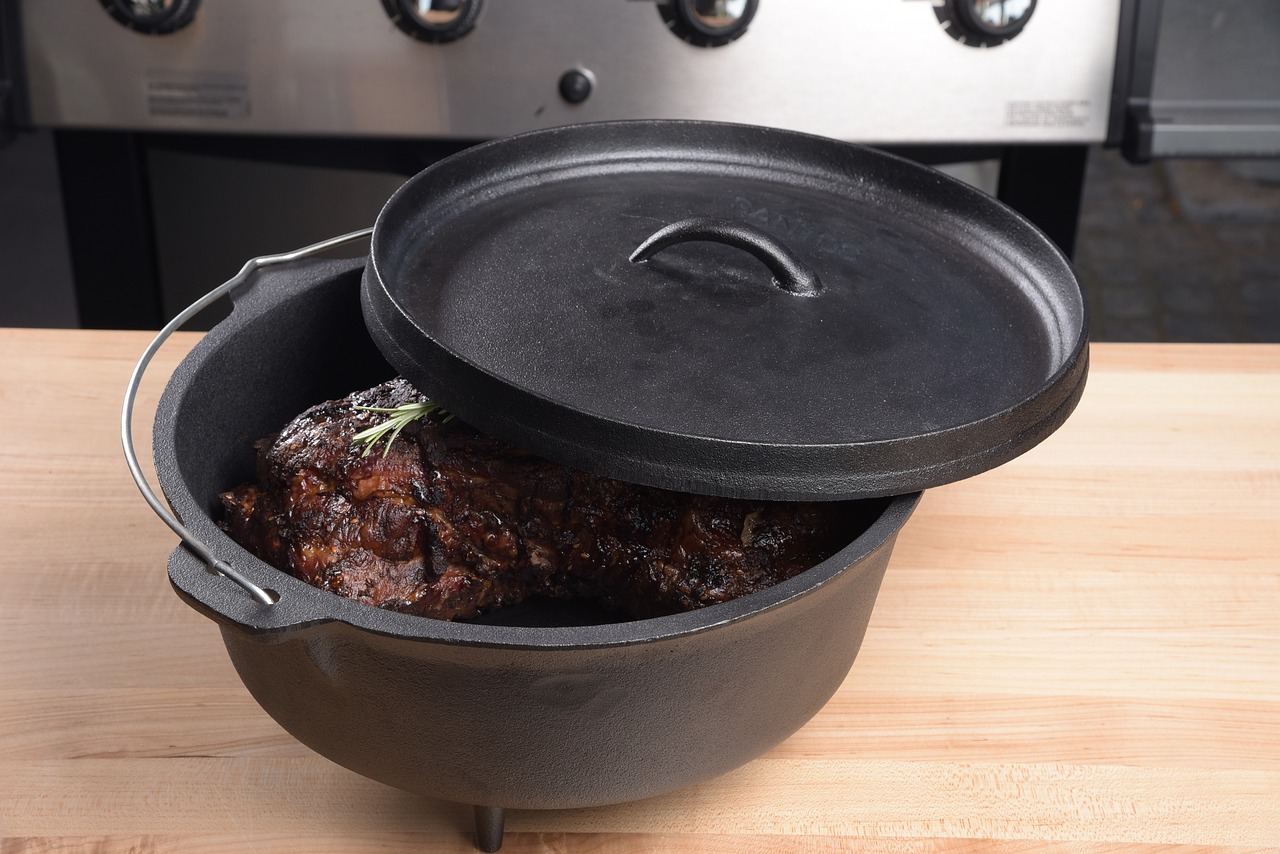
A Dutch oven is a heavy pot with thick walls and a tight-fitting lid. It’s also nearly indestructible. Traditionally made of cast iron, Dutch ovens have been used around the world for centuries. Today, Dutch ovens come in a few different types:
- Raw cast iron, which needs seasoning but lasts forever
- Enamel-coated cast iron, which is easier to maintain and doesn’t need seasoning
- Stainless steel versions, which are lighter and heat up more quickly
All three do the same job: heat retention. Once it’s warm, a Dutch oven retains heat and distributes it evenly to whatever you’re cooking.
Why Bother with a Dutch Oven?
Why bother with a Dutch oven when you have access to things like Instant Pots? Here are just a handful of reasons it’s a go-to for everything from chili to sourdough loaves:
1. It’s chemical-free and dependable
A lot of people choose enamel-coated cast iron because it avoids the potential concerns with nonstick coatings. If you’re trying to reduce toxins and create a healthier kitchen, natural materials make a big difference.
2. It replaces multiple pieces of cookware
Instead of frying pans, soup pots, roasting pans, slow cookers, bread crocks, and more, you can consolidate all of that into one hardworking pot.
3. It supports sustainable cooking habits
A Dutch oven is great for scratch cooking, real-world meal planning, and reducing your waste. It’s the perfect companion for garden-grown vegetables, farmers market finds, or pantry staples you’ve preserved at home.
What Can You Cook in a Dutch Oven?
The real question is: what can’t you cook in one?
A Dutch oven handles:
- Soups and stews
- Whole roasted chicken
- Breads with a crisp, bakery-style crust
- One-pot meals (think chili, pot roast, curries, and casseroles)
- Fried foods
- Braised dishes like short ribs or pulled pork
- Beans and legumes
If you’re a gardener (or dreaming of being one), it’s particularly good for turning seasonal vegetables into hearty, nourishing meals. And if you’re trying to avoid chemicals in your growing process, you’ll appreciate how well a Dutch oven pairs with homegrown produce.
Cooking Tips
Because a Dutch oven is so good at distributing and holding heat, it’s really helpful for getting deep flavor out of vegetables. Here are some easy tips to help you elevate your veggie-based meals:
1. Sweat your aromatics first
Cook onions, garlic, or peppers for a few minutes in a little oil to build a flavor base for soups, stews, and sauces.
2. Roast vegetables directly in the pot
Your Dutch oven can go straight into the oven. Toss chopped vegetables with olive oil, salt, pepper, and herbs; roast them until they caramelize; then turn them into soup or serve as a side.
3. Use the pot’s lid and weight to your advantage
A tight lid retains steam, helping veggies cook evenly without drying out, which is particularly helpful for root vegetables or tougher greens.
How to Choose the Right Dutch Oven
There’s no one “correct” Dutch oven for everyone. You just need to find the one that fits your cooking style and lifestyle. Here’s how to compare your options:
Raw Cast Iron
- Pros: Extremely durable, excellent heat retention, affordable
- Cons: Requires seasoning; can react with acidic foods; heavier to lift
Raw cast iron is great if you love the idea of a pot that could last generations. It also performs beautifully on a grill or over open flames.
Enamel‑Coated Cast Iron
- Pros: Easiest to maintain, doesn’t require seasoning, non-reactive with acidic ingredients, available in pretty colors
- Cons: More expensive; enamel can chip if dropped
For most home cooks, enamel-coated options (like the classic Le Creuset) offer the best combination of durability, convenience, and versatility. And since there’s no nonstick coating involved, you avoid chemical exposure.
Stainless Steel Dutch Ovens
- Pros: Lightweight, heats up quickly, easy to clean
- Cons: Doesn’t retain heat as well as cast iron
These are great for tasks like boiling, steaming, and lighter cooking, but won’t match cast iron for browning or baking.
How to Care for Your Dutch Oven
Knowing how to care for your Dutch oven means your pot will serve you well for decades.
Raw Cast Iron Care
- Season regularly with a light coat of oil
- Avoid storing food in it for long periods
- Hand‑wash with minimal soap (or none)
- Dry thoroughly to avoid rust
Check out our YouTube video on the cleaning and care of cast iron and how to season! Subscribe to our channel for more self-sufficient tips!
Enamel Cast Iron Care
- Use wooden or silicone utensils to protect the enamel
- Avoid drastic temperature changes (like cold water on a hot pot)
- Soak stubborn, stuck-on bits with warm water and baking soda
Stainless Steel Care
- Use gentle scrubbers like nylon or soft sponges
- Remove discoloration with baking soda
- Avoid overheating, which can cause scorching
Regardless of the type, always make sure your pot is fully dry before storing.
Here’s to Your Forever Kitchen Tool
A Dutch oven reminds us that simple really can be better. It’s sturdy, timeless, and asks for very little while giving so much back (richer flavors, go-anywhere cooking, and knowing that you’re avoiding potentially dangerous chemicals). Whether you’re a lifelong homesteader or someone looking to move closer to a sustainable lifestyle, a Dutch oven can become one of your most trusted kitchen companions.