The Pros and Cons of Building a Barndominium
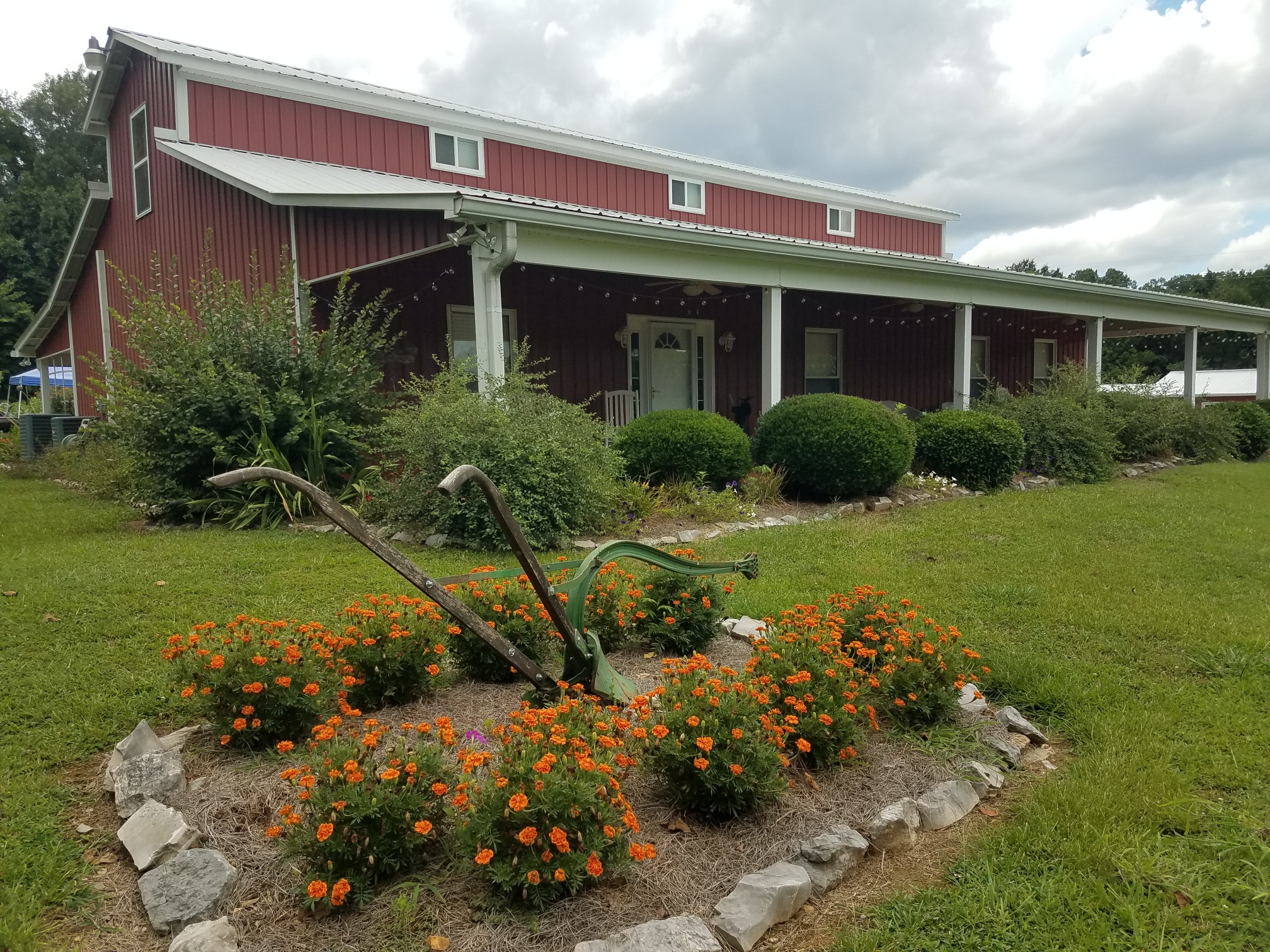
You’ve probably dreamed about building a home that reflects not just the place you live, but the way you want to live. When we built our barn in 2005, long before the word “barndominium” made it into everyday conversation. It was just what made sense for us. We needed a functional space that combined storage, shelter, and ease-of-use, and a barn-style build offered all of that and more.
Over the past two decades, barndominiums have become much more popular, and you could be considering building one of your own. You might have also heard about some of the drawbacks. Is this the right choice for you?
As with most things in sustainable living, the right choice depends on your needs, budget, land, and the kind of life you want to build. Here, we’ll explore the real pros and cons of building a barndominium.
What Is a Barndominium, Exactly?
A barndominium is usually a steel-frame/sheet-metal building that combines living space with oversized storage or workshop space. The idea is simple: instead of building a separate house and barn, you combine them into a single structure.
Some people create barn-style homes that look nearly identical to traditional houses inside. Others opt for open rafters, exposed beams, concrete floors, and sliding barn doors.
But beyond stylistic decisions, the appeal is usually practical: it takes fewer materials, construction is faster, and you get multi-purpose functionality. At least, that’s the promise.
The Pros: Why People Love Barndominiums
Cost-Effective Construction (Most of the Time)
One of the biggest draws of a barndominium is cost. Because metal buildings can go up quickly and need fewer interior load-bearing walls, the structure itself is often more affordable than a traditional home (of the same size).
You’ll usually see cost savings in:
- Lower initial construction costs
- Fewer materials
- Faster build times
- Reduced labor expenses
You also get to go at your own pace in most cases, so interior projects can be tackled as you want to or can afford them.
Highly Customizable, Open Layouts
Sick of cookie-cutter homes? If you hate those “builder specials” that populate today’s subdivisions, a bardnominium offers the customization that you want.
The metal shell lets you create
- Vast, open living areas
- Extra-high ceilings
- Large workshop or garage sections
- Hobby, education-related, crafting, or storage areas under the same roof
Durability and Low Exterior Maintenance
Steel buildings are strong and hold up to a lot. They resist rot, pests, storms, and moisture issues better than traditional wood-framed homes.
The exterior doesn’t usually need much upkeep (there’s no siding to repaint, no shingles to replace every few years, fewer worries about termites). The only maintenance is pressure washing the metal periodically and changing the the roof screws every 10-12 years (at a fraction of the cost of a new roof).
Energy Efficiency Potential
Contrary to what some people assume, metal buildings can be very energy-efficient as long as you have the right insulation. Think spray foam, rigid panels, insulated metal panels.
Once you’ve got it properly insulated, a barndominium can maintain comfortable temperatures year-round without excessive heating and cooling costs.
 Flexible Use of Space Over Time
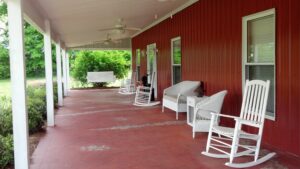
One of the quiet strengths of a barndominium is adaptability. As your life changes, your space can change with you. For instance, we used the porches for hosting farm-to-table dinners.
The workshop might become a home business. The oversized garage might become a studio. The storage area might one day turn into an extra living space. We actually turned our upstairs loft into an Airbnb after the kids were off to college.
 The Cons: The Real Challenges You Need to Consider
As you can see, there are plenty of benefits to building a “barndo”. However, barndominiums come with some very real downsides, too. These aren’t deal-breakers for everyone, but they’re worth considering.
Financing Can Be Difficult
This is one of the biggest hurdles. Many lenders still don’t know what to do with barndominiums. Because they fall somewhere between “house” and “agricultural structure,” they may:
- Appraise strangely
- Be considered higher risk
- Require larger down payments
- Limit available loan programs
We do recommend financing through a Farm Credit Association, if there is one available in your area. In our experience, they seem to be more flexible with farm or homestead properties than traditional mortgage companies.
Insurance Costs Can Be Higher
Insuring a metal home isn’t always as simple as you’d think. Some insurance companies treat them differently from stick-built homes, and that can mean higher premiums or more restrictions on your policy.
If you live in an area at high risk for tornadoes, heavy winds, or extreme heat, metal buildings may also carry specific risks that insurers factor in.
Temperature Control Can Be Tricky Without Good Insulation
Barndominiums can be energy-efficient, but only if the insulation is done correctly. When that’s not the case, it can mean:
- Condensation issues
- Temperature swings
- High humidity
- Drafts
- Higher energy bills
Noise Issues
Metal buildings can echo. They can amplify outside noises like rain and hail. And inside, sound sometimes bounces around more dramatically than in a wood-framed home. You can combat that with insulation and the right interior design (furniture placement, wall hangings, etc., can all help cut down on noise).
Less Traditional Resale Appeal
Barndominiums are still niche. While many people love them, others hesitate because they aren’t familiar with the concept.
This can mean:
- A smaller buyer pool
- Longer time on the market
- Potentially lower resale value than a traditional home
Moisture and Condensation Challenges
Metal structures can create condensation when warm air meets cold metal surfaces inside your home. Over time, this can mean things like mildew, mold, and rust. Vapor barriers, good insulation, and good ventilation are not optional.
Who Is a Barndominium Right For?
A barndominium is a great fit for people who are:
- Comfortable with open, adaptable spaces
- Looking for cost-effective construction
- Interested in combining home and work space
- Willing to manage a project with unique considerations
- Eager to live simply and functionally
But it may not be right for someone who:
- Wants a highly traditional home feel
- Plans to resell quickly
- Doesn’t want to navigate unusual financing or insurance
- Prefers small, separate rooms instead of big open layouts
The Choice Is Really About Intentionality
If you’re thinking about building a barndominium, think about it the same way you might think about building healthy soil or growing your own food. The decision should come from a place of intention.
A barndominium can be a smart choice, but it only works well when you understand both the benefits and the challenges. As with most things in sustainable living, success comes from honest assessment and being willing to tailor the structure to your own needs.
Whether you choose a traditional home, a barn-style home, or something in between, the goal remains the same: build a life that supports the way you want to live.