Best Oils for Cooking and Consumption
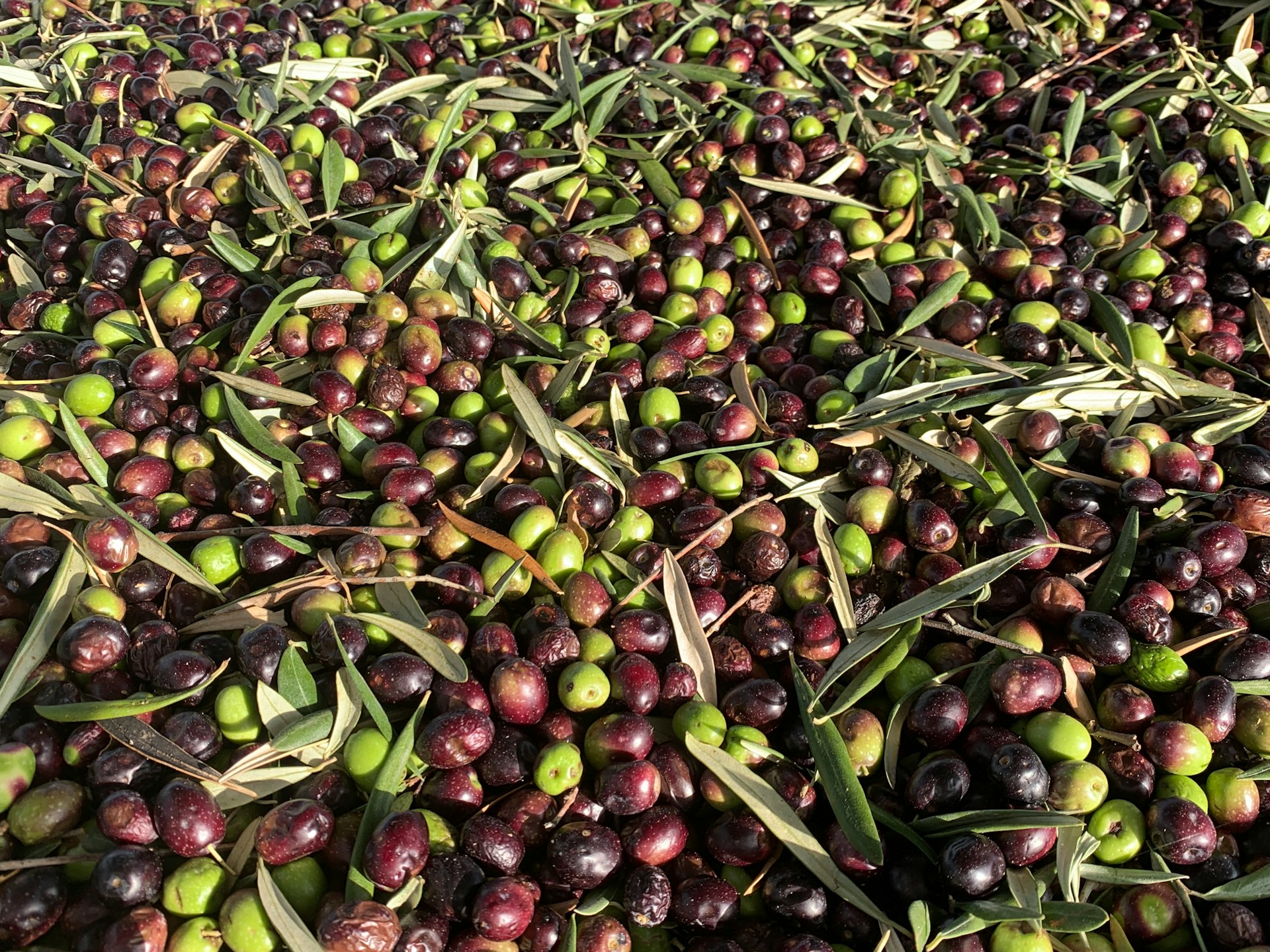
On our recent trip to Spain, we discovered that 40% of the world’s olive oil comes from there. Olive trees stretch across the hillsides, and the locals talk about the best oils the way most of us talk about fine wine.
It made me realize how little most of us really understand about the oils we use every day. I don’t mean just their flavor profiles. Different oils are better suited for different uses, have different smoke points, and even bring different things to the body (some of which you may not want).
Let’s take a closer look at some of the best oils for cooking (and consumption) and how you can make the most of them, whether you’re sautéing vegetables, frying chicken, or dressing a summer salad.
Understanding Smoke Point and Stability
Before diving into our list of specific oils, it helps to understand one key concept: the smoke point. This is the temperature at which an oil begins to break down, releasing smoke and harmful compounds. Once that happens, not only does the flavor suffer, but the oil also loses many of its beneficial nutrients.
You’ll also want to think about stability (how resistant the oil is to oxidation when exposed to heat, light, or air). Oils high in monounsaturated or saturated fats tend to be more stable, while those high in polyunsaturated fats (like flaxseed or walnut oil) are better used cold.
1. Olive Oil
If you had to pick one oil to use for the rest of your life, olive oil would be a pretty solid choice. It’s rich in monounsaturated fats, which help lower bad cholesterol and reduce inflammation.
Olive oil’s flavor can range from buttery and mild to peppery and bold, depending on where it’s from and how it’s pressed. Spanish olive oils often have a grassy, slightly bitter edge, which is great for drizzling over roasted vegetables or dipping bread.
Best uses:
- Cold dishes: Dressings, marinades, and drizzled over soups or grilled vegetables.
- Medium heat cooking: Sautéing, baking, and roasting under 375°F.
Tip:
For high-heat frying, regular or “light” olive oil (which is more refined) has a higher smoke point than extra virgin and can handle temperatures up to about 465°F.
Health benefits:
Olive oil packs a lot of antioxidants, especially vitamin E and polyphenols, and those protect your cells from oxidative damage. Studies have linked regular olive oil consumption to lower rates of heart disease, certain cancers, and even cognitive decline.
2. Avocado Oil
Avocado oil is a favorite for a lot of people. It’s made by pressing the pulp of the avocado, not the seed, resulting in a mild, buttery flavor and a bright green color.
Smoke point: Around 520°F (one of the highest of all cooking oils).
That makes it good for grilling, searing, stir-frying, or roasting. It won’t smoke or break down easily, even under intense heat.
Nutritionally, avocado oil is similar to olive oil. It’s rich in monounsaturated fats and antioxidants. It’s also one of the few oils that helps your body absorb fat-soluble vitamins (like A, D, E, and K) from other foods.
Best uses:
- High-heat cooking: Stir-frying, searing meats, roasting.
- Salad dressings or drizzles when you want a milder flavor than olive oil.
Tip: Look for cold-pressed, unrefined avocado oil to retain the most nutrients and flavor.
3. Coconut Oil
Either you love coconut oil or you prefer to keep it far from your kitchen. But from a practical standpoint, it’s a very stable fat, thanks to its high saturated fat content. That makes it great for high-heat cooking or baking.
Smoke point: About 350°F for virgin coconut oil; 400°F for refined.
While it’s solid at room temperature, it melts quickly when heated. Some studies suggest that its medium-chain triglycerides (MCTs) can boost metabolism and provide a quick energy source.
Best uses:
- Baking (especially for recipes that benefit from a hint of coconut flavor).
- Sautéing or stir-frying.
- Adding to coffee or smoothies for a creamy texture.
Health note:
Because it’s high in saturated fat, you’ll want to use coconut oil in moderation. It’s best as a complement to, not a replacement for, other healthy oils.
4. Sunflower and Safflower Oils
If you want an oil that won’t interfere with your food’s flavor, sunflower and safflower oils are both good options.
Smoke point: Around 450°F for both.
They’re also high in vitamin E and low in saturated fats. However, since they’re rich in omega-6 fatty acids, it’s important to balance them with omega-3s from foods like salmon or chia seeds.
Best uses:
- Deep-frying or pan-frying.
- Baking when you want a neutral flavor (like in muffins or quick breads).
- Homemade mayonnaise or vinaigrettes.
5. Grapeseed Oil
Grapeseed oil is a byproduct of winemaking. It’s clean-tasting and has a relatively high smoke point (about 420°F).
Best uses:
- Sautéing or roasting vegetables.
- Making emulsified sauces or dressings.
- As a finishing oil when you want a mild flavor that won’t compete with your dish.
Tip: Grapeseed oil has a high concentration of polyunsaturated fats, which are more prone to oxidation, so store it in a cool, dark place and use it relatively quickly once opened.
6. Sesame Oil
Sesame oil comes in two main types: light (made from raw seeds) and toasted (made from roasted seeds). The toasted version is common in Asian cuisine.
Smoke point: 410°F for light sesame oil; around 350°F for toasted.
Best uses:
- Finishing oil for flavor.
- Stir-frying or sautéing with the light version.
Health benefits:
Sesame oil contains sesamol and sesamin, natural antioxidants that may reduce inflammation and support heart health.
7. Walnut and Flaxseed Oils
Walnut and flaxseed oils are too delicate for cooking and will break down under heat. However, when used cold, they offer unique flavors and valuable nutrients.
Walnut oil adds a rich, nutty note to salad dressings, pasta, or roasted vegetables. Flaxseed oil is earthy and mild, rich in omega-3 fatty acids, which support brain and heart health.
Best uses:
- Salad dressings, drizzles, or cold grain bowls.
- Add after cooking, not during.
Storage tip:
Keep these oils in the refrigerator to prevent them from going rancid.
Choosing the Right Oil for the Right Job
Here’s a quick guide for everyday cooking:
| Cooking Method | Best Oils | Avoid |
| High-heat frying/grilling | Avocado, refined olive oil, sunflower, safflower | Flaxseed, walnut |
| Sautéing or roasting | Olive (EVOO or light), grapeseed, avocado, sesame (light) | Flaxseed |
| Baking | Olive, coconut, sunflower | Flaxseed, walnut |
| Salads & drizzling | Extra-virgin olive, avocado, walnut, flaxseed, toasted sesame | Refined oils |
| Marinades or sauces | Olive, grapeseed, sesame | Coconut |
Bringing It All Home to Stoney Creek Farm
At Stoney Creek Farm, we believe good food begins with good ingredients, and the choices you make in the kitchen have a ripple effect on your health and your connection to the earth.
Learning to use oils is one way to live more sustainably and intentionally. And if you’re curious to learn more, you’ll find a wealth of resources in our online courses and books, from sustainable living and organic gardening to cooking with whole, natural foods.
When it comes to oils, remember: it’s not just about flavor or smoke point. Oils can bring extra nutrition to the table.