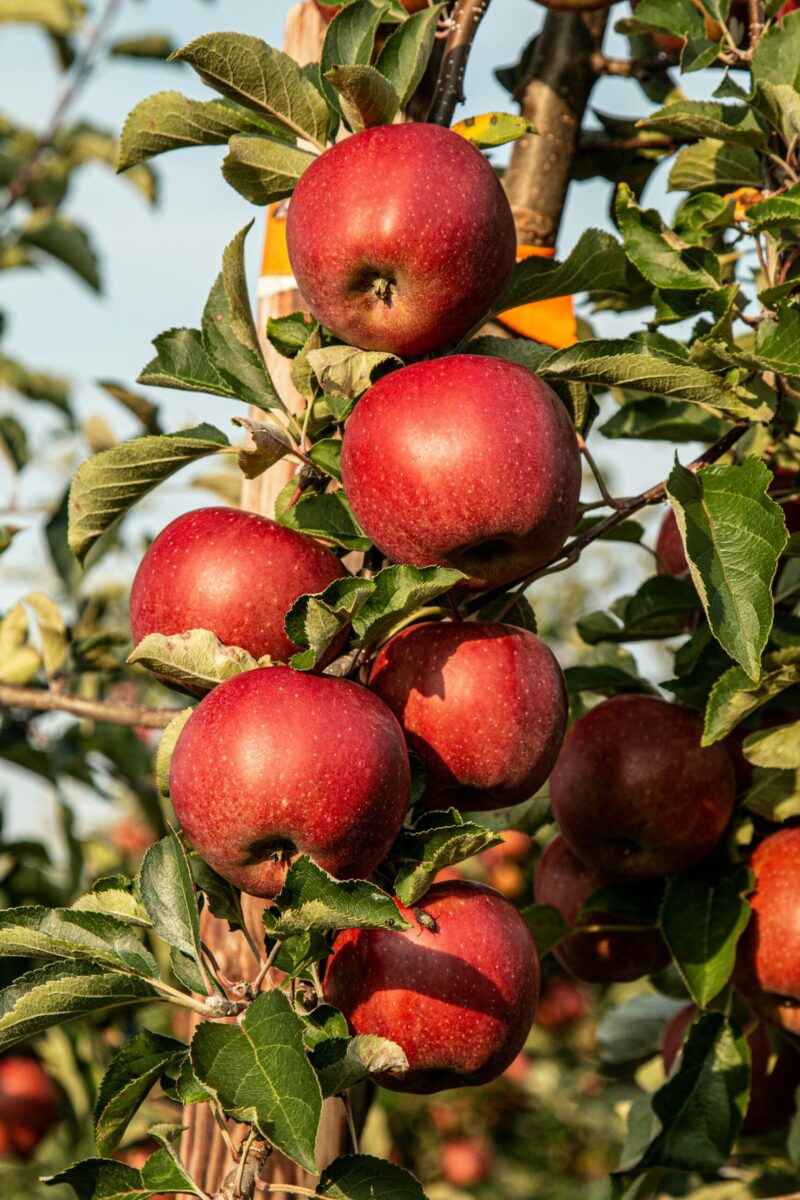
Start Your Own Backyard Orchard: Choosing and Caring for Fruit Trees
Growing your own food is incredibly rewarding, but it can be a lot of work. However, there is a way to plant just once and then harvest food for decades to come: fruit trees. Here’s how you can start your own backyard orchard, from choosing trees to caring for them and finding trusted resources along the way.
If you’ve ever thought about planting fruit trees, you’re not alone. More people are realizing that a few well-chosen trees can provide food, shade, beauty, and a deeper connection to the land. You don’t need a commercial orchard or decades of experience to get started, either. You just need the right information and a willingness to learn as you go.
Why Grow Fruit Trees?
You can buy fruit at any grocery store, so why bother growing it yourself? For many gardeners, it starts with flavor. Homegrown fruit is often sweeter and more complex because you can let it ripen fully on the tree. Commercial fruit is usually picked early to survive shipping.
However, the benefits go beyond taste.
- Fruit trees are long-term investments: A healthy tree can produce for decades. One planting today can feed you and your family for years. Some trees even become part of a property’s legacy, outliving the person who planted them.
- They support local ecosystems: Blossoms feed pollinators. Trees provide habitat for birds and beneficial insects. You’re not just growing food—you’re building a small ecosystem.
- They add beauty and structure to your landscape: Spring blossoms, summer shade, fall color, and winter silhouettes all add visual interest. A well-placed fruit tree can be both ornamental and productive.
- They teach patience and seasonality: Fruit trees don’t rush. You learn to work with seasons, weather, and natural cycles.
- They connect you to your food in a direct way: When you grow fruit, you understand what it takes to produce it. That awareness often changes how you value what’s on your plate.
Popular Fruit Trees (and a Few You Might Not Know)
When you think of fruit trees, you probably picture apples or peaches first, and for good reason. They’re popular, productive, and well-suited to plenty of different climates. However, they’re just the tip of that proverbial iceberg. Here are some options to consider:
Familiar Favorites
- Apple: Reliable and versatile. With the right varieties, you can stagger harvests from summer into fall. However, many apples need cross-pollination, so you’ll often need two compatible trees.
- Peach: Fast to bear fruit and excellent for warmer climates. Many peach trees are self-pollinating, which makes them beginner-friendly.
- Pear: Hardy and often disease-resistant. European and Asian pears offer different textures and flavors.
- Plum: Available in European and Japanese types. Some are self-fertile; others need a partner tree.
- Cherry: Sweet cherries usually need cross-pollination. Sour cherries are often self-fertile and easier to grow.
Less Common but Worth Exploring
- Pawpaw: Native to North America, pawpaws produce custard-like fruit with a tropical flavor often compared to banana and mango. They prefer some shade when young and usually need two trees for pollination.
- Loquat: An evergreen tree with sweet-tart fruit. Loquats do well in mild climates and can double as ornamental trees.
- Persimmon: American persimmons are hardy and native; Asian persimmons produce larger fruit. Many varieties are self-fertile.
- Fig: Technically more of a large shrub or small tree, figs thrive in warm areas and can even be grown in containers.
What to Consider When Choosing Fruit Trees for Your Property
Before you buy the first tree that catches your eye, it helps to have a plan in mind. A fruit tree can live for decades, so it’s worth choosing carefully. And not all fruit trees are right for all climates.
Climate and Chill Hours
Quite a few fruit trees need a certain number of winter chill hours to set fruit. (“Chill hours” refers to the number of hours or days a fruit tree needs for flowering and setting fruit). If a variety requires more chill than your area provides, you may get little to no harvest. Check what works in your region before planting.
Space
A full-size tree can get large. Dwarf and semi-dwarf options are smaller and easier to manage and harvest. Measure your space and consider mature size, not just how the sapling looks today.
Sunlight
Most fruit trees need at least six to eight hours of direct sun. Less sun usually means less fruit and more disease pressure.
Soil and Drainage
Fruit trees don’t like “wet feet”, so drainage is important. If water tends to pool in your yard, you may need raised mounds or improved drainage.
Pollination Needs
Some trees are self-fertile, but others need a second variety nearby. Planning for pollination ahead of time saves disappointment later.
Your Goals
Ask yourself:
- Do you want fruit for eating?
- Preserving?
- Shade and beauty as well as food?
- A low-maintenance landscape?
How to Care for Fruit Trees
While you won’t need to give your fruit trees the same amount of care that you do your vegetable or flower gardens, they do benefit from some TLC.
Planting
Plant when your trees are dormant, usually late fall through early spring. Dig a wide hole, loosen the surrounding soil, and avoid planting too deep. The graft union (the swollen area near the base) should stay above soil level.
Watering
Young trees need regular watering while they establish. Deep, infrequent watering helps build strong roots. Mature trees still need water during droughts, especially when setting fruit.
Mulching
A ring of mulch helps retain moisture and suppress weeds. However, volcano mulching is bad. Keep your mulch a few inches away from the trunk to prevent rot.
Pruning
Pruning is important for everything from tree strength to fruit production. Most pruning happens during dormancy.
Feeding
Don’t assume when it comes to fertilizing; get a soil test. Too much fertilizer can mean lots of leaves but little fruit.
Environment
One important fact that often gets overlooked, is the environment around the fruit trees! We learned first-hand that fruit trees, specifically apple trees, do not do well when surrounded or close-to cedar trees. Cedars will share a disease called “cedar rust” to fruit trees that harm the fruit and leaves of the trees. There are some apple tree varieties that are resistant to apple rust, so you might be able to grow them regardless of the surrounding cedars.
Resources to Help You Grow
You don’t have to figure everything out alone. Some of the best fruit-growing knowledge comes from long-standing institutions and experienced growers.
University Extension Services
State universities and county extension offices provide research-based guidance tailored to your region. The University of Tennessee Extension is a good example, but you should also have a local county extension office where you can get help and advice.
State Departments of Agriculture
Your state’s agriculture department probably publishes region-specific growing advice and regulations related to plant health.
Growing Space? You Have Options
Maybe you love the idea of fruit trees, but don’t have ideal space at home. That’s more common than you might think.
If you’re within about 30 miles of Franklin, TN, you might consider renting a garden plot at Stoney Creek Farm. Having dedicated space can make it easier to experiment with fruit trees and other crops without overloading your yard. You can also find plenty of gardening-related information on our YouTube channel.
Start with What You Can
You don’t need a full orchard right from the start. One or two trees are enough to start learning. As you gain confidence, you can add more. And there are options to suit anyone, whether you’ve got acres to spare or just a backyard patio.