How to Eliminate Plastic From Your Food Storage
What’s the most common material used in your kitchen? You might think it’s stainless steel or wood, but, for most of us, it’s plastic. Even if you’ve ditched plastic cooking utensils, it’s still there in your blender, maybe your cutting board, or the internals of your salt or pepper grinder.
It’s there for a couple of good reasons that manufacturers use plastic so much. It’s light, so it cuts down on weight. It can be flexible, durable, and cheap, too. The big problem is that it’s not as durable as we once thought.
Every time you turn that pepper grinder, tiny plastic particles (microplastics or MP) end up in your pepper, and then your food, and then your body (and they bring chemicals along with them that can cause pretty serious problems).
So, what can you do about it? Stanford Medicine puts it plainly: avoiding microplastics entirely isn’t realistic, but you can reduce your exposure.
This guide walks you through easy, high-impact swaps to reduce plastic in your food storage without turning your kitchen upside down.
Start with the “High-Contact” Plastics First
If you’re going to focus anywhere, focus on plastic that meets at least one of these conditions:
- It touches hot food (microwaving, reheating, dishwasher “sanitize” cycles, etc.).
- It holds fatty foods (soups, stews, meats, sauces, dairy, etc.) because fat can pull more compounds from some plastics.
- It’s scratched or cloudy (older plastic tends to degrade and trap odors).
- It’s used daily (water bottles, coffee lids, leftover containers, etc.).
Heat is a big deal here.
- The American Academy of Pediatrics notes that heat can increase leaching of plasticizers like BPA and phthalates and recommends avoiding microwaving food in plastic when possible.
- A 2023 paper found that some plastic containers released millions of microplastics and billions of nanoplastics per square centimeter after just a few minutes of microwave heating.
The Most Important Things to Swap
Here are five things to switch to in a nutshell: glass containers, stainless steel, silicone options, and reusable alternatives can dramatically cut down your day-to-day plastic use. Not sure what that looks like in your actual kitchen? Here’s a more detailed breakdown.
Replace Leftover Containers with Glass
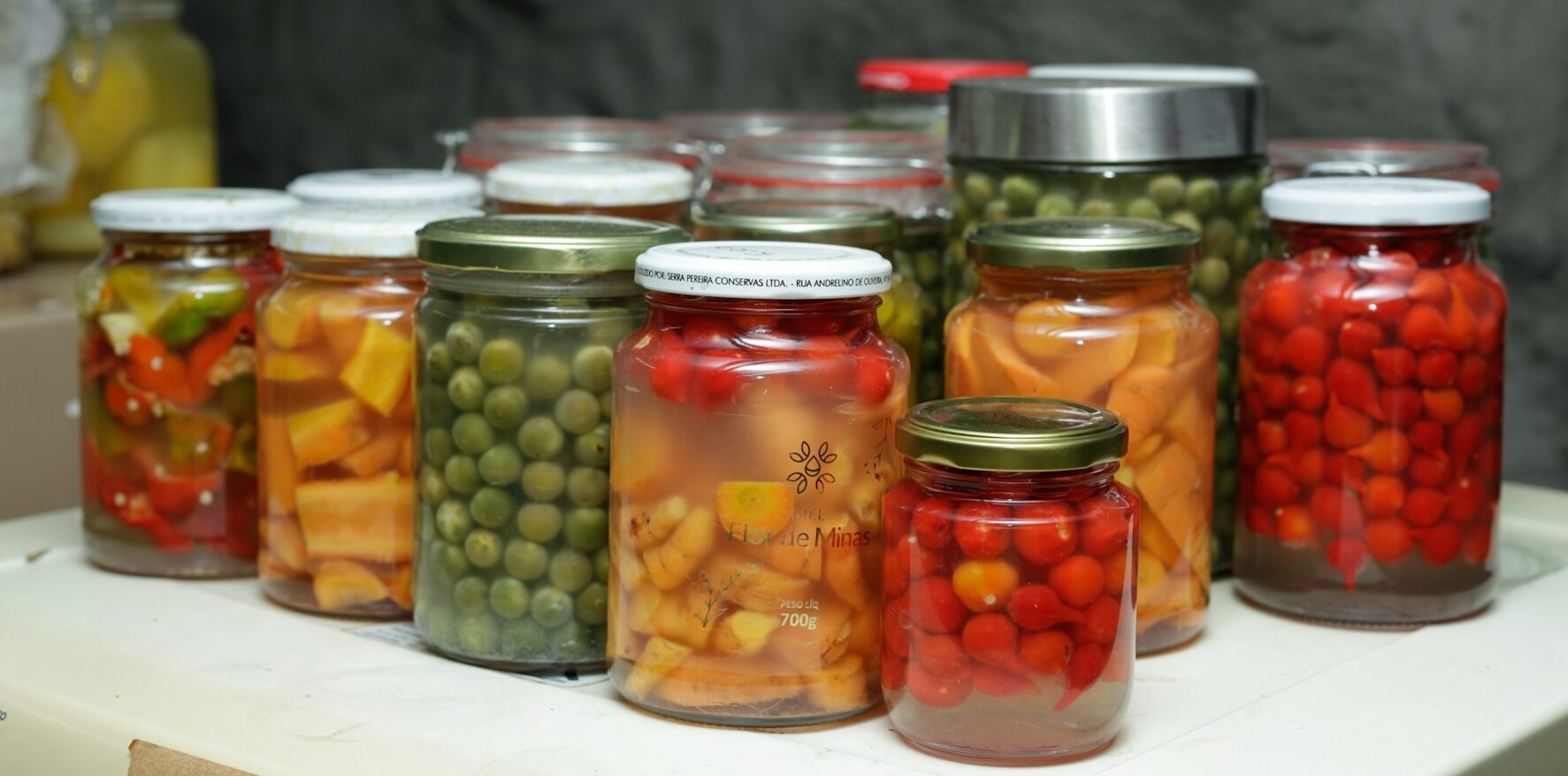
If you do one thing this month, make it this. Get rid of your sauce-stained plastic storage containers and invest in glass. Glass is stable, doesn’t absorb smells, and you can store and reheat in the same container (as long as the lid is off for heating).
Easy approach:
- Start with two sizes: a small for snacks/sides and a medium for leftovers.
- Look for glass bases with silicone lids (or glass lids if you prefer fully plastic-free).
Switch to Stainless Steel for “On the Go”
Stainless steel is a great choice for lunches, picnics, and packing food that might get knocked around (as long as you’re not microwaving it).
Use Silicone for Flexible Storage
Love plastic zip-lock bags? Silicone can be a good middle ground, especially for use in the freezer and odd-shaped items. That said, be choosy when you buy your silicone products. They’re not all the same, and some “budget” brands don’t hold up well. Yes, you might pay a little more for a decent brand, but you’ll be glad you did.
Other alternatives to plastic zip-lock bags include:
- For the fridge: glass containers
- For the freezer: silicone bags or freezer-safe glass (leave headspace)
- For dry pantry items: jars, tins, or paper bags inside a canister
Ditch Plastic Wrap as You Can
Plastic wrap is convenient and used for everything from covering half-eaten apple pies to wrapping sliced veggies for later use. It’s easier to get rid of than you think, though. Try:
- Beeswax wraps for bread, cheese, and produce (not for raw meat handling).
- Cloth bowl covers for rising dough or covering leftovers.
- A plate on top of a bowl (old-school, but it works).
Make Your Fridge More Plastic-Free on One Afternoon
Do a quick audit of your fridge. Pull everything out and sort into:
Keep using for now (low priority):
- Unheated, short-term items in good-condition containers
Replace soon (high priority):
- Any plastics that you’ve microwaved
- Anything that’s been stained by food (looking at you, spaghetti sauce)
- Any scratched containers
Once you’ve done some cleaning out, change up your food storage habits by:
- Put leftovers in clear glass so you can actually see what you have (less waste).
- Store produce in glass + paper towel (greens last longer).
- Use a jar for soups and broths (wide-mouth jars are easiest).
Don’t Forget about Freezer Storage
Plastics are very popular when it comes to freezer storage, but you can still cut them out.
- Soups/stews: Cool first, then store in glass with headspace
- Berries and chopped veggies: Freeze on a tray first, then move to silicone bags
- Bread: A cloth bread bag inside a tin, or freeze slices in a container
- Meat: If you buy in bulk, consider wrapping in freezer paper and storing inside a container (or use butcher paper if available)
Pro tip: Label everything with the food and the date you stored it (no, you don’t need to ditch your Sharpie).
Don’t Forget the “Hidden Plastics” in Food Storage
Even if you swap your containers, plastic can sneak in through other ways, like:
- Plastic cutting boards shedding over time (especially if they’re deeply scored)
- Plastic utensils and older nylon tools exposed to heat
- Single-serve items and plastic-packaged foods
- Bottled water (if it’s a daily habit)
Your 4-Week Plastic Reduction Plan
Week 1: Replace reheating containers
Get 3 to 6 glass containers you’ll actually use.
Week 2: Replace your daily drink habit
Swap plastic bottles for stainless or glass. If you buy bottled water daily, make that the next change.
Week 3: Replace plastic wrap and bags
Pick one: beeswax wraps, cloth covers, or silicone bags.
Week 4: Replace pantry storage
Move flour, sugar, rice, oats, and snacks into jars or canisters (bonus: fewer pantry pests).
Skip Perfection and Go for Better
Eliminating every last bit of plastic isn’t realistic. However, reducing your highest-exposure habits, like hot food in plastic, daily plastic bottles, and scratched containers, can cut your contact with microplastics without making life harder.