August and September Garden List
If your garden could talk, it’d probably sound weary right now. The sun’s been relentless, the weeds have staged a full-on coup, and the soil is begging for a break. But the good news is that August and September are sweet spots for a robust garden list. The days are still long enough to get things done, but the air is shifting slightly toward autumn, bringing new opportunities to refresh, replant, and revive your outdoor space.
Think of this season as your garden’s halftime show. The summer rush is behind you, but there’s still plenty of action with proper planning and clever task-tackling.
Divide and Share: Perennials on the Move
By late summer, most perennials have worn out their welcome in their current spots. Daylilies, hostas, and irises often form dense, overcrowded clumps, which is your cue to grab a spade and divide them. This gives your plants room to breathe.
On a cool, cloudy day, dig out the clumps, split them into smaller sections, and replant them in prepared soil. Add a good watering and a layer of mulch, and they’ll settle before winter. This lends to bigger blooms and healthier growth next year.
Cover Crops for Better Soil
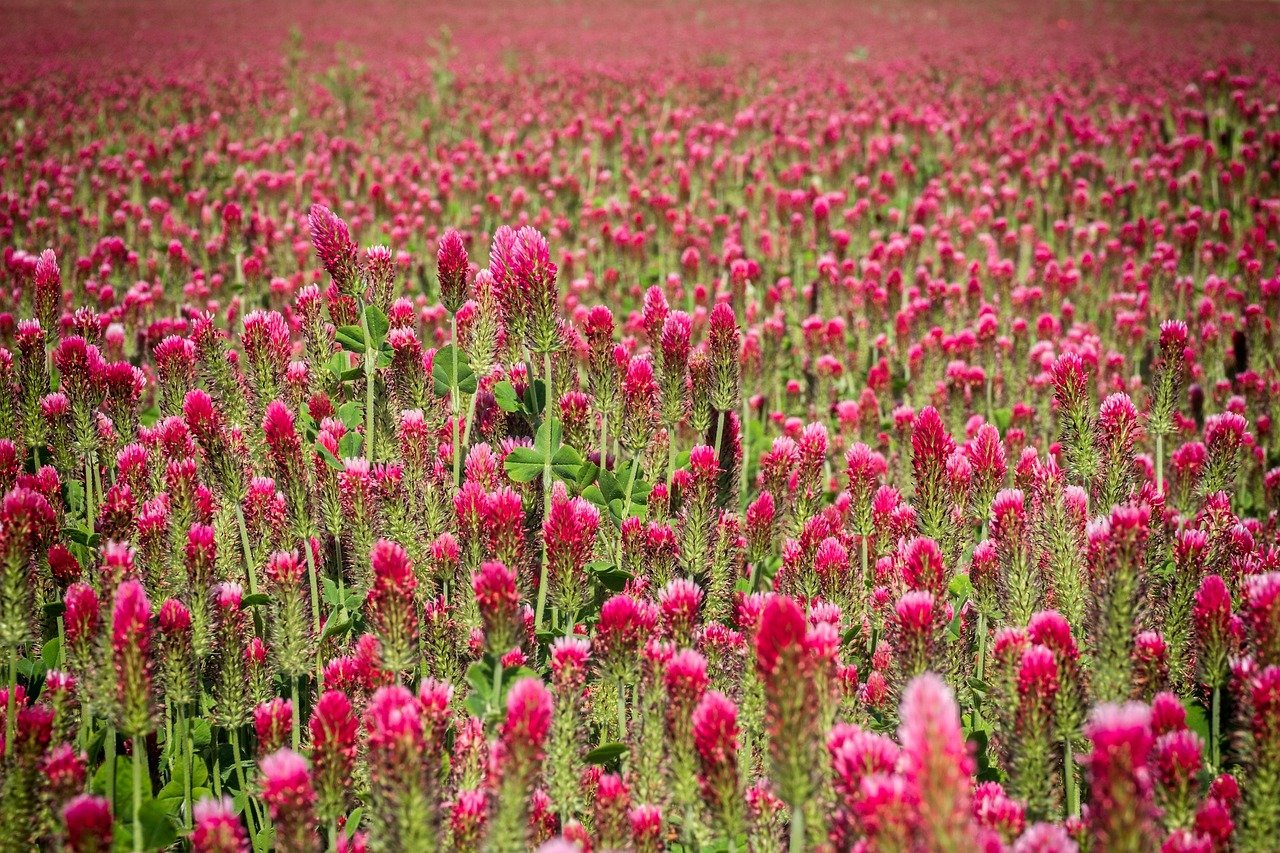
Cover crops are excellent for your soil, enriching it with organic matter and nutrients from plants like crimson clover, rye, or oats in late August or September. These plants shade out weeds while feeding the dirt with nitrogen, and when winter hits, the cover crops die back to leave behind crumbly, fertile soil, perfect for eventual spring veggies.
Watering Trees, Shrubs, & New Plantings During Dry Spells
August heat is sneaky. You think the cooler nights mean safer plants, but new trees and shrubs are still vulnerable. Deep watering once weekly is key to helping new crops develop strong roots. Skip the daily sprinkles, which barely wet the surface, and opt for a slow soak from the base up.
A five-gallon bucket with holes in the bottom will make a handy DIY drip system. Fill it, let it drain slowly, and move it around each plant. Your trees and shrubs will go into autumn much stronger, ready to face a harsh winter.
Boost Your Garden with Herbs and Tomatoes
This is prime time for herbs and tomatoes, and both need extra attention in late summer. Herbs like basil, sage, and rosemary should be snipped often, and harvesting before they flower will keep the flavors sharp and the plants productive. Freeze or dry your herbs to keep them in a year-round supply for your autumnal cooking.
Meanwhile, tomatoes can be fickle. If the fruits split or show blemishes, pick them slightly under-ripe and let them ripen on the counter. It reduces waste and keeps pests from invading your garden before the harvest. Remember to pinch off scraggly growth to redirect energy into ripening fruit instead of sprawling vines.
Harvest, Deadhead, and Seed Save for Fall
Called deadheading, snip off spent blooms from zinnias, marigolds, or coneflowers to be rewarded with another flush of flowers before the first frost. While you’re at it, consider saving the seeds. Let a few sunflowers or poppies mature, then dry them on the stem. Collect the seeds for next year’s garden, but be sure to store them in paper envelopes (labeled with crop varieties) for the best airflow.
Mulch, Fertilize, and Deep Water to Beat the Heat
August and early September can still deliver blistering weather, so mulch is a must-have before autumn fully sets in. Spread two or three inches around flower beds and vegetable plots to lock in moisture, suppress weeds, and regulate soil temperature.
If your plants look wilted and tired, consider a mid-season feeding. A balanced, slow-release fertilizer or compost tea provides energy to keep flowers blooming and vegetables producing until the first frost. Pair this with consistent deep watering to extend garden productivity, despite seasonal shifts.
Clean Up & Prep Ahead of Autumn
August and September are the perfect window to clear diseased plants, spent annuals, and weeds before they seed. This encourages a tidy, organized garden and reduces pest and disease pressure for next year.
Add a layer of compost to rejuvenate beds and give your soil a nutritional boost. If you’re planning fall decorations with pumpkins or mums from your garden, prepping now ensures your space is ready when you need those festive touches later.
Planting Cool-Season Crops & Bulbs
Fall gardening is as much about winding down as it is about starting fresh. Late August through September is ideal for sowing cool-season crops like spinach, broccoli, kale, and brussels sprouts. These veggies thrive in cooler weather.
Think ahead to spring bulbs. Plant daffodils, tulips, and crocuses now to help establish roots before the ground freezes. In March or April, you’ll be rewarded with bursts of color.
Lawn TLC: Mowing, Feeding, and Pest Watch
Your lawn deserves love, too, especially after being sunbaked for the last couple of months. Keep mowing, but raise your blade a notch to leave grass three inches tall. This shades your soil, and September is the best time to fertilize cool-season grasses with nutrients to recover from the summer heat.
Watch for pests, like grubs or fire ants.
Winterizing Strategies
- Inspect your tools now. Sharpen blades, clean pots, and ensure everything’s in good shape before storage in a cool, dry shed.
- Plant frost protection early. Row covers for vegetables and burlap wraps for tender shrubs.
- Move container plants indoors.
- Check your supplies. Stock up on mulch, frost cloths, and anything you’ll need for safe, successful garden preparation when the temperature dips.
- Protect your investment. Prep now saves frantic scrambling during the first surprise cold snap.
- Think ahead to spring. Winterizing isn’t about ending the season, but safeguarding your hard work so your garden bounces back in spring.
Your August and September garden checklist is a way to set your space up for success, keep harvests rolling, and savor the remaining warm days of summer before autumn takes over. If you’d like to learn more about sustainable gardening practices, contact Stoney Creek Farm in Tennessee for information and inspiration that makes gardening feel like second nature.