Reasons to Dehydrate Vegetables
There comes a point in every successful garden season when tomatoes, squash, and green beans are waging a takeover. Your fridge is packed, your countertops are buried in fresh produce, and you’ve run out of people to pawn zucchini off on. It’s a beautiful problem to have, until you realize you’re racing against the clock to keep your harvest from spoiling. So why not try to dehydrate your vegetables!
Enter dehydration: a centuries-old preservation method that’s still convenient and relevant today.
Dehydrating isn’t just for hardcore homesteaders or apocalypse preppers. It’s for anyone who wants to stretch the value of their garden, reduce waste, and stock their pantry with shelf-stable flavor bombs. It’s easy, affordable, and satisfying, opening a world of creative uses for your veggies that go beyond soups and stews.
Why Dehydrate? The Value of Drying Your Garden Harvest
Dehydration removes moisture from vegetables and fruits, extending their shelf life and condensing their flavors. The result is a crunchy, chewy, lightweight version of your favorite produce that lasts for months in a jar or pantry bin. It’s low-maintenance, cost-effective, and works without electricity once the drying is done, unlike freezing.
While other preservation methods require jars, lids, or freezer space, dehydration requires a slicer (or good knife skills), a dehydrator (or oven), and patience. You’ll be amazed how a mountain of tomatoes or peppers can shrink down to a single mason jar of concentrated flavor.
Nutrients, Shelf Life, and Storage Space
Are you worried that drying your veggies will zap out the good stuff? Don’t be. While some vitamin C may degrade during dehydration, more nutrients, like fiber, iron, potassium, and antioxidants, remain intact. With water removed, dried vegetables are more nutritious per bite.
Storage-wise, dehydrated vegetables are a minimalist’s dream. They don’t take up freezer space or need special containers; just airtight jars or resealable bags will do. Stored in a cool, dry place, they can last 6 to 12 months, or even longer when vacuum-sealed.
Easy to Use, Easy to Rehydrate
Dehydrator. Don’t let the word intimidate you. Most models are plug-and-play, meaning you slice your veggies uniformly, lay them flat on the trays, set the temperature, and walk away. Some veggies need a quick blanch to preserve flavor, texture, and color, but most, like tomatoes or mushrooms, can go straight from the garden to the cutting board to the dehydrator.
When you’re ready to use your veggies, soak them in warm water for 15 to 30 minutes, or toss them directly into soups, stews, stir-fries, or sauces. They’ll plump up and reabsorb moisture.
You can also grind dried veggies into powders for a nutritious flavor boost to everyday meals.
Less Waste, More Value
If you’ve ever tossed a soggy zucchini or a forgotten carrot from the back of the fridge, you know the sting of wasted garden gold. Dehydrating helps eliminate guilt by giving your produce a second chance. Even slightly bruised or overripe vegetables (if they’re safe to eat) can be dehydrated and transformed into shelf-stable snacks and ingredients.
It’s also a way to preserve everything, not just the perfect specimens. Use the odd-shaped carrots, the surplus of okra, or the handful of curling green beans that didn’t fit in your canning jar. With dehydration, nothing must go to waste.
The Best Vegetables for Dehydrating
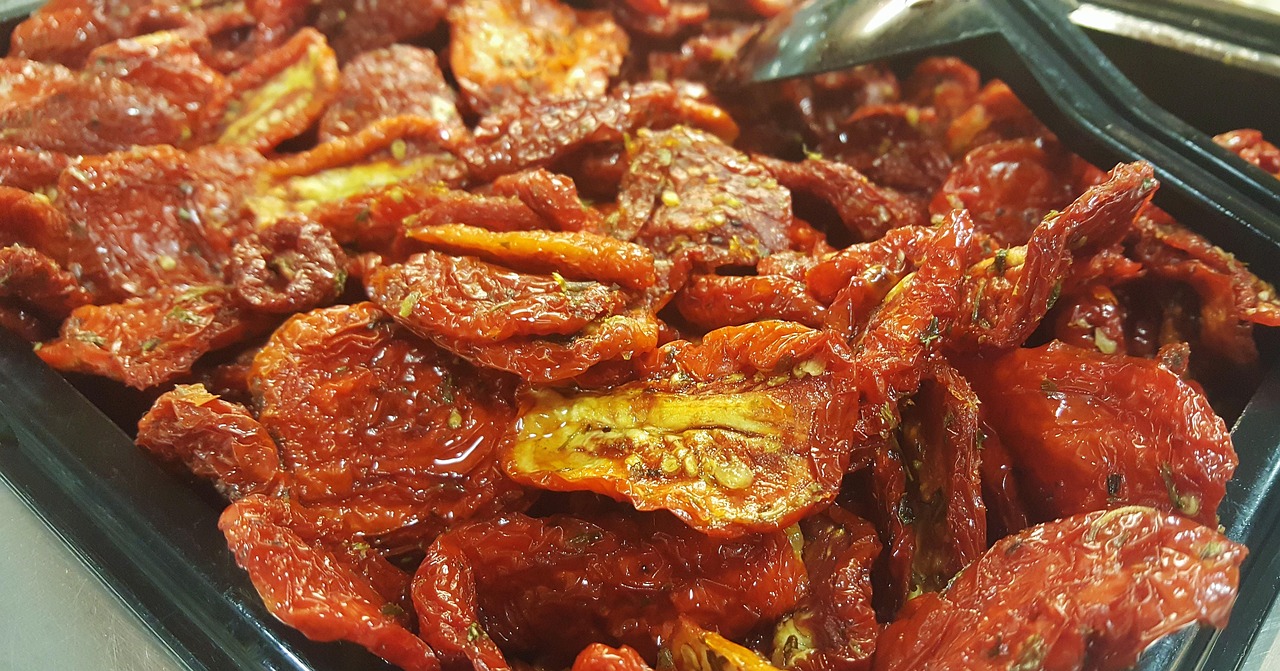
- Tomatoes are a fan favorite because they concentrate into sweet, tangy bites that can elevate soups, sauces, and pasta.
- Zucchini and yellow squash, notorious for overwhelming summer gardens, become low-carb, crunchy snacks or casserole additions when sliced thin and dried.
- Carrots work beautifully too, whether sliced into coins or shredded, and rehydrate with their earthy sweetness fully intact.
- Onions and garlic, though not ideal for drying in small spaces (unless you enjoy every room smelling like a French bistro) are invaluable in seasoning blends or for quick cooking.
- Mushrooms, another standout, require no blanching, dry evenly, and rehydrate with renewed texture and a delicious umami flavor.
Fruits that Dry Beautifully
Fruits, with their natural sugar and amazing fragrance, dry into nature’s candy, and they’re as satisfying to eat if you have a sweet tooth.
For instance, apples are a classic for a reason. A quick slice and sprinkle of cinnamon turns them into chewy rings, while strawberries shrink into tart, jewel-toned slices that are delicious and look lovely in a mason jar on the kitchen counter.
When sliced while slightly underripe, bananas are chewy snacks that rival anything you’d find at a health food store, minus the added sugar. Blueberries require patience since their skins are stubborn, but once dried, they’re perfect for oatmeal, baking, or tossing into trail mix for an energetic zing. The same goes for peaches and pears; soft, fragrant, delicious, and hold their texture for optimal on-the-go snacking.
Creative Uses for Dehydrated Produce
Dried vegetables and fruits are like secret weapons in the kitchen: compact, shelf-stable, and bursting with concentrated flavor. Imagine tossing a handful of dried tomatoes into a simmering pot of beans and watching them rehydrate into little bursts of tangy sweetness. Yum! Or grinding powdered carrots and spinach into fine powders that you can sneak into sauces, smoothies, or baked goods for a quick nutritional boost.
You can mix your seasoning blends using dried onions, garlic, herbs, and peppers—ideal for taco night, soup bases, or a last-minute flavor boost on roasted veggies. Camping? Dehydrated meals are lightweight and long-lasting. Combine dried rice, beans, and veggies with spices, then store in jars or bags. Add them to boiling water when you’re ready for a hearty soup before sliding into your sleeping bag.
Don’t overlook the snacking potential. Dried zucchini chips with a sprinkle of smoked salt, crispy apple slices dipped in peanut butter, or green beans with a dusting of chili powder are satisfying and healthier than most snacks from a grocery store. Get creative with flavors. Try vinegars, citrus, or spice rubs before drying to turn basic garden produce into foods you look forward to eating.
Why Every Gardener Should Own a Dehydrator
Dehydration isn’t just a preservation method; it’s a mindset shift. It invites you to see your food as enduring. And once you start drying your harvest, you may find it hard to stop. There’s nothing like opening a jar in the middle of winter and getting a whiff of summer.
Here is an article from Consumer Reports on their recommended dehydrators that can get you started on your search.
Ready to turn your harvest into long-lasting, flavorful pantry staples? Learn more about food preservation and sustainable living at Stoney Creek Farm in Tennessee!